Every parent, teacher or caregiver has experienced it: repeating the same instructions over and over again.
“Stop running.”
“Please share.”
“Use kind words.”
“How many times have I told you?”
At times, guiding children can feel like an endless cycle of reminders, corrections and consequences. While discipline has an important place in raising and teaching children, many adults eventually discover that constant correction can become exhausting for adults and children alike.
The challenge is not simply getting children to obey rules in the moment. The deeper goal is helping children understand why certain choices matter. We want children to develop an inner sense of right and wrong that stays with them, whether adults are watching or not.
That kind of learning often requires more than discipline alone.
Children learn best when guidance moves beyond punishment and becomes an opportunity for growth. Instead of focusing only on stopping unwanted behavior, parents and educators can help children build understanding, responsibility and self-awareness.
Stories and positive reinforcement can play a powerful role in this process.
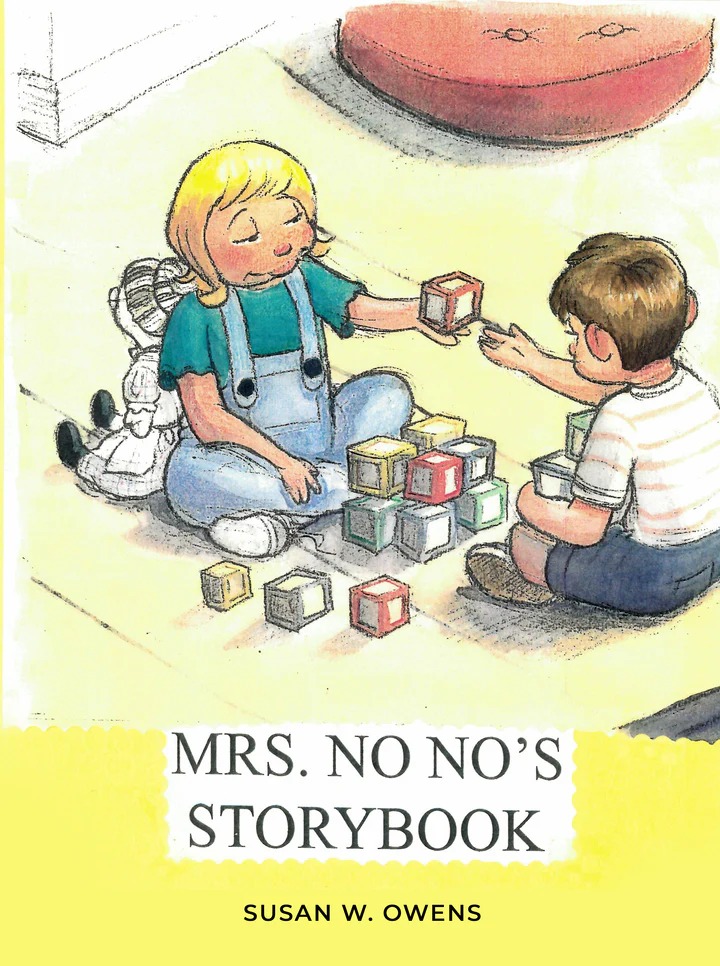
Mrs. No No’s Storybook by Susan W. Owens offers an example of a different approach. Rather than relying on fear or harsh correction, the story introduces a memorable character who gently encourages children to think about their actions and make better choices.
The concept may seem simple, but simplicity often works best with young children.
Children naturally connect with stories, imagination and characters. A lesson delivered through storytelling can sometimes reach children in ways direct instruction cannot. Instead of hearing another lecture, children experience examples through situations they can understand.
Stories create emotional connections.
And emotional connections create lasting lessons.
When children identify with characters, they begin imagining themselves in similar situations. They ask questions, think about consequences and reflect on choices. Those moments help children develop internal understanding rather than temporary compliance.
This distinction matters.
A child who behaves only to avoid punishment may stop the behavior when supervision disappears. A child who understands why a behavior matters is more likely to make thoughtful choices independently.
Positive reinforcement strengthens this process even further.
Adults often spend significant energy noticing mistakes. Misbehavior naturally grabs attention because it disrupts routines or creates problems. Yet children also need adults to notice what they are doing right.
Simple comments can have powerful effects:
“You showed kindness just now.”
“I noticed you shared without being asked.”
“That was a responsible choice.”
“Thank you for helping.”
These moments reinforce positive behavior and encourage repetition.
Children want approval, encouragement and connection. When adults consistently recognize good choices, children begin associating positive actions with positive feelings.
Teaching right from wrong also means allowing children opportunities to practice decision-making. Mistakes will happen. Every child tests boundaries, makes poor choices and struggles at times.
That is part of learning.
Instead of viewing mistakes solely as problems to eliminate, adults can view them as teaching opportunities.
Questions can often be more effective than immediate punishment:
“What happened?”
“How do you think your choice affected someone else?”
“What could you do differently next time?”
These conversations encourage reflection and help children build responsibility.
Over time, children begin developing something far more valuable than simple rule-following; they develop conscience.
The goal is not raising children who behave perfectly.
The goal is to raise children who understand kindness, responsibility, honesty and respect. Children who can recognize mistakes, learn from them and make better choices moving forward.
Discipline may still have a place in teaching. Boundaries and consistency matter. But when discipline becomes the only tool, important opportunities can be missed.
Sometimes children need correction.
Sometimes they need encouragement.
And often, they simply need guidance that helps them discover the difference between right and wrong for themselves.
Because the most meaningful lessons are not always the loudest ones. Often, they are the lessons children quietly carry with them for the rest of their lives.