Every child carries unique strengths, talents, and possibilities. And helping children realize their potential means creating an environment where they feel supported, valued, and capable of growth. When a child lacks this basic or behaves in an inappropriate manner, it does not mean that they do not have such qualities, but that there is a lack of potential that appears suddenly. However, when we, as teachers, parents, and mentors, guide them through appropriate ways, we can help our children to develop these attributes over time. This will enable children to feel confident in themselves and understand that effort matters, and they begin to explore what they are capable of achieving.
The following eight strategies can help parents and educators nurture a child’s potential.
Encourage Curiosity and Exploration
Curiosity is one of the strongest drivers of learning. Children should be encouraged to ask questions, try new activities, and explore their interests. When adults respond positively to curiosity, children feel comfortable discovering new abilities and passions.
Focus on Effort Rather Than Perfection
Children grow when they understand that effort is more important than being perfect. Celebrating persistence and improvement helps children develop resilience. When mistakes are treated as learning opportunities, children become more willing to challenge themselves.
Build Confidence Through Positive Support
Confidence plays a major role in unlocking potential. When children receive encouragement and recognition for their efforts, they begin to believe in their abilities. Supportive words and consistent guidance help children see themselves as capable learners.
Teach Responsibility and Decision Making
Children who are trusted to make choices develop independence and self awareness. Giving children opportunities to take responsibility for small tasks allows them to practice problem solving and learn from experience.
Use Stories That Inspire Growth
Stories can help children understand their own possibilities. Characters who face challenges and grow stronger can inspire young readers to believe in themselves. Reading together also helps children reflect on how perseverance and kindness contribute to success.
Introduce Character Building Books
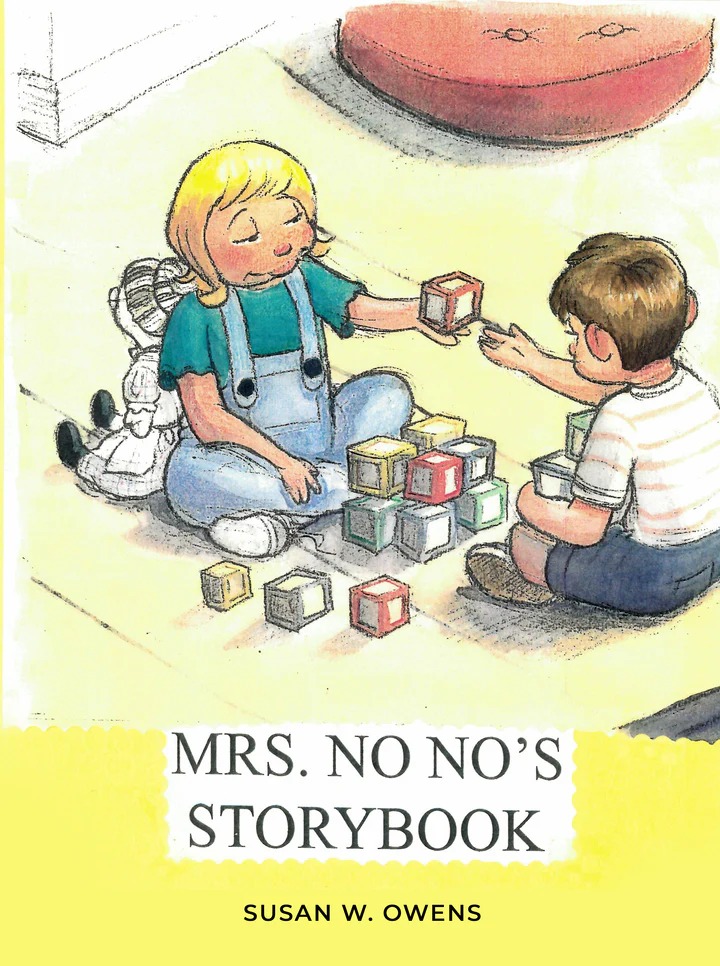
Books that focus on personal growth and responsibility can reinforce important life lessons. Mrs. No No’s Storybook by Susan W. Owens encourages children to think carefully about their actions and make positive choices. By guiding children toward thoughtful behavior and self awareness, the book supports the development of confidence and character, both of which are essential for realizing potential.
Grab your copy from https://www.amazon.com/dp/B0FPPJX6DR.
Provide Opportunities for Creativity
Creative activities such as drawing, storytelling, music, and imaginative play allow children to express themselves. Creativity strengthens problem solving skills and encourages independent thinking, both of which help children discover their unique abilities.
Create a Supportive Learning Environment
Children thrive in environments where they feel safe, respected, and encouraged. When adults listen to children, value their ideas, and celebrate their progress, children develop the courage to pursue their goals.
Helping children realize their potential is not about pushing them toward a specific outcome. It is about guiding them toward self discovery and confidence. Through encouragement, meaningful experiences, and supportive resources such as Mrs. No No’s Storybook by Susan W. Owens, children learn to believe in their abilities and grow into the best version of themselves.