Self-esteem develops most strongly when children are guided instead of shamed because guidance preserves dignity while encouraging growth. Young children are still forming their sense of identity. When they are shamed for mistakes, they often internalize the idea that something is wrong with them rather than with the behavior. Guidance, on the other hand, separates the child from the action. It communicates that mistakes are part of learning and that improvement is always possible.
Guidance focuses on teaching rather than punishing. When adults calmly help children understand what went wrong and how to do better next time, children feel supported rather than judged. This support builds confidence. Children learn that they are capable of making good choices and that they are trusted to grow. Over time, this sense of capability becomes a foundation for healthy self-esteem.
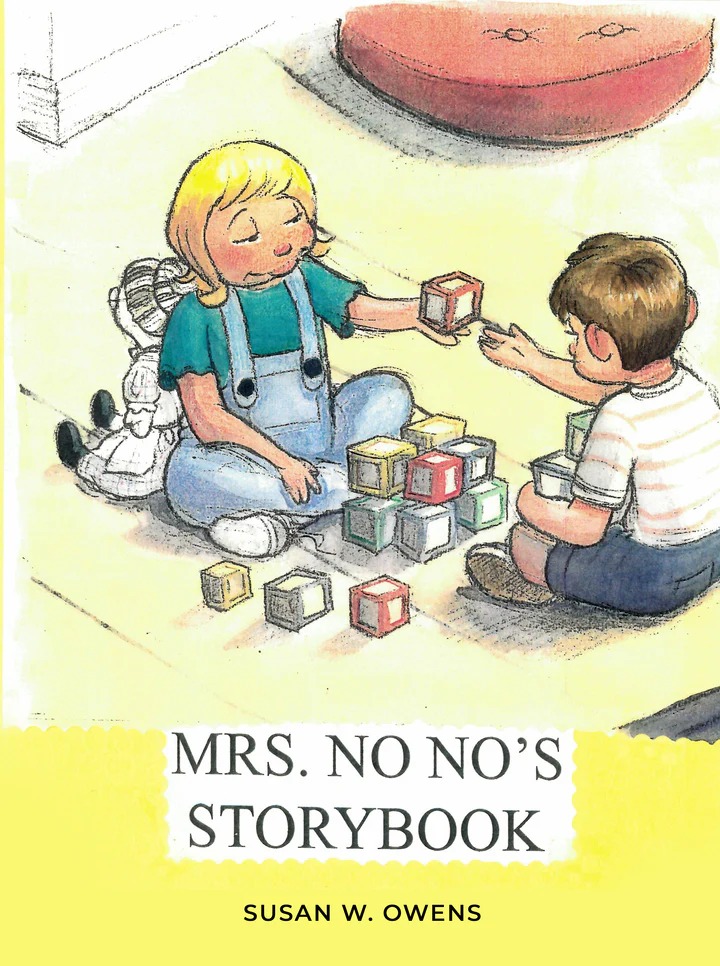
In Mrs. No No’s Storybook by Susan W. Owens, guidance is presented gently and consistently. The child is reminded to do the right thing without being embarrassed or scolded. This approach allows the child to reflect and self-correct. When children are given the opportunity to adjust their behavior on their own, they experience pride rather than shame. That pride strengthens their belief in themselves.
Shame often shuts down learning. A child who feels embarrassed or criticized may become defensive or withdrawn. Instead of thinking about the behavior, they focus on the negative feelings associated with the experience. Guided correction avoids this outcome. It keeps emotions calm and opens the door for reflection. Children remain engaged and willing to try again because they do not fear failure.
Another important aspect of guided learning is emotional safety. Children thrive when they feel safe to make mistakes. Guidance communicates unconditional support. It reassures children that they are valued even when they struggle. In Mrs. No No’s Storybook by Susan W. Owens, guidance is paired with reassurance, helping children understand that being good is about effort and choice, not perfection.
Guidance also encourages self-awareness. Instead of being told they are wrong, children are encouraged to notice their actions and consider alternatives. This process helps children develop an internal voice that supports positive behavior. When children learn to guide themselves, their confidence grows. They begin to trust their ability to make thoughtful decisions.
Self-esteem is closely tied to autonomy. Guided experiences give children a sense of control over their choices. When children feel they have agency, they are more motivated to improve. They are not acting to avoid punishment but to align with values they understand. This internal motivation leads to lasting confidence.
Another benefit of guidance is the development of resilience. Children who are guided learn that setbacks are temporary and manageable. They understand that mistakes do not define them. This mindset supports emotional strength and perseverance. Children with strong self esteem are more willing to take risks, try new things, and learn from challenges.
Ultimately, self-esteem grows when children feel respected, capable, and supported. Guiding children instead of shaming them teaches that growth comes from understanding and effort. Mrs. No No’s Storybook by Susan W. Owens illustrates how gentle guidance can help children build confidence that stays with them as they grow.
Grab your copy from https://www.amazon.com/dp/B0FPPJX6DR.