Give it a read: Before diving into these strategies, we highly recommend reading Mrs. No No’s Storybook by Susan W. Owens. It provides the full context for these tools, the philosophy behind building a child’s conscience, and the essential groundwork for setting up a classroom where character development happens naturally.
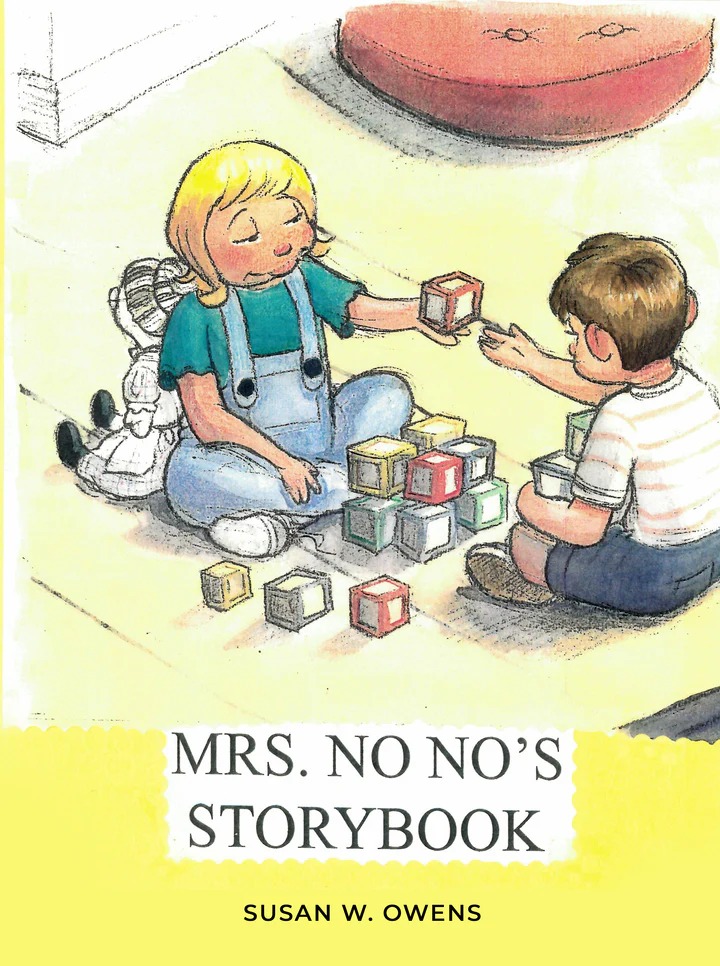
Mrs. No No’s Storybook by Susan W. Owens is a comprehensive behavioral management and character-building resource designed specifically for early childhood educators. By introducing a unique pedagogical tool, a puppet known as “Mrs. No No,” that acts as a gentle, consistent, and non-confrontational guide to help young children learn to make better behavioral choices. Through the use of Mrs. No No, teachers can focus on helping children develop an internal conscience through visual feedback and rhythmic reinforcement. Complemented by a series of “Raps for Respect” that address values such as honesty, diligence, and cooperation, the book serves as a practical guide for fostering self-esteem and creating a calm, respectful classroom environment where children feel empowered to self-correct.
Head to Amazon to purchase your copy: https://www.amazon.com/dp/B0FPPJX6DR
Visit the website, https://mrsnonostorybook.com/, to learn more.
That being said, rhythm and rhyme are incredibly powerful tools for young learners because they turn complex behavioral expectations into something engaging and easy to remember. And when you use the “Raps for Respect” from Mrs. No No’s Storybook as a daily ritual, you are creating a positive, proactive tone that helps children feel settled and ready to learn.
Here are five ways to weave these into your morning routine:
- The “Mindset Morning” Circle: Start your day in a circle to build community. Introduce the “Working Hard” rap: “Working hard will really pay, we’ll learn more and more each day!”. Having the children recite this together helps them frame the upcoming day as an exciting opportunity for growth and personal achievement.
- Manners Matter Spotlight: Choose one day a week to highlight the “Manners” rap: “Please and thank-you should be the rule, whether at home or here at school!”. You can have students practice these words in pairs to build their social confidence, making these phrases a natural part of their vocabulary throughout the day.
- The Responsibility Call-and-Response: After you finish taking attendance, use the “Responsibility” rap—”If you’ve got a job to do, start right in and see it through!”—as a transition tool. It acts as a rhythmic “go” signal, helping children pivot from the chaos of arrival to the focus required for morning tasks.
- Character Affirmation Hugs: End your morning meeting with the self-affirmation routine described in the book. Encourage students to cross their arms to give themselves a big hug while saying, “I’m good, I’m very good, and I can do good things! Thank you, Mrs. No No!”. This is a beautiful way to boost self-esteem and internalize positive self-talk before academic work begins.
- Cooperation Beats for Collaboration: Whenever you are about to move into group projects, use the “Cooperation” rap—”Whether at work or at play, we’ll cooperate every day!”. By chanting this together, you reinforce the expectation of teamwork and kindness before the energy in the room naturally spikes.
Integrating these raps consistently helps move your classroom beyond simple obedience. You are teaching children the internal value of good character in a way that feels like a shared, joyful experience rather than a chore.