Every teacher knows the feeling of a classroom shifting from productive energy into chaos. When the noise level climbs and focus wanes, the struggle to maintain decorum can feel exhausting. But here comes a strategy that can help teachers maintain the required decorum: A classroom management makeover. It doesn’t require a total overhaul of your teaching style; often, it simply requires a consistent, non-confrontational way that refocuses the group dynamic in a way that can help students to maintain positive behavior. Well, one such way is to use non-verbal cues.
The Power of Non-Verbal Cues
Constant lecturing on behavior can lead to “teacher fatigue,” where children eventually tune out the voice of authority. But if you are using a visual, physical anchor like the Mrs. No No doll, you shift the dynamic. Instead of you being the “bad guy” who constantly scolds, the doll or the (puppet) becomes a neutral third party that monitors choices. This allows you to maintain a calm, professional demeanor while still upholding high standards of conduct.
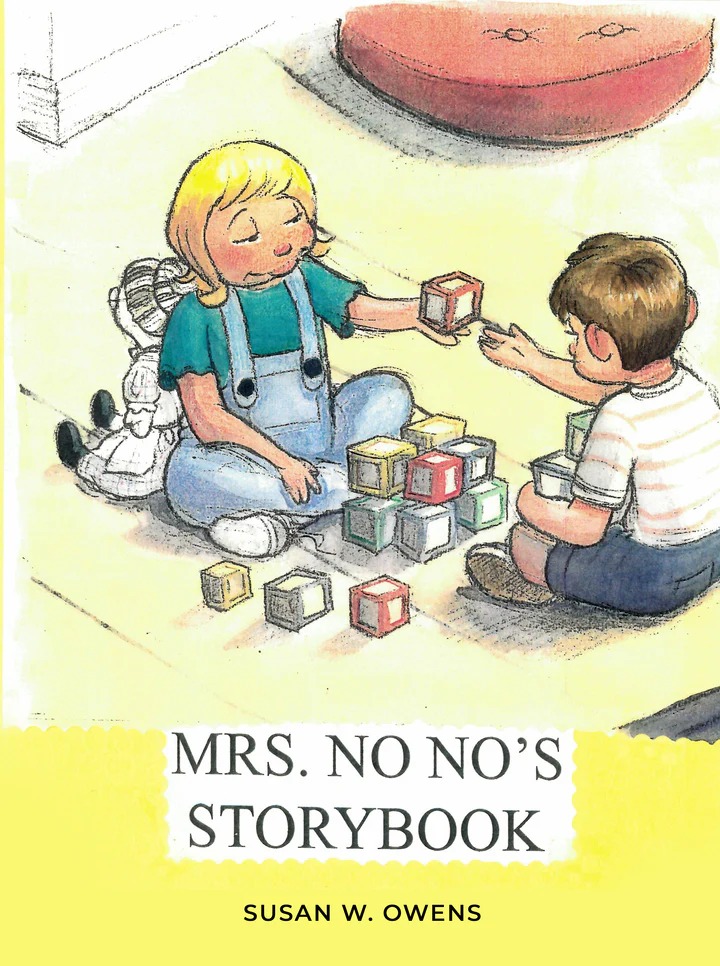
By implementing the methods outlined in Susan W. Owens’s Mrs. No No’s Storybook, you can achieve a more harmonious classroom environment by moving away from reactive discipline and toward proactive character development. Her approach provides a concrete, non-verbal tool that helps children learn to monitor their own behavior, which reduces the need for constant verbal correction and teacher burnout.
Teachers can use the puppet as a gentle, consistent guide to reinforcing positive values through the “Raps for Respect.” This will help children build their own internal conscience rather than simply following external rules, which in turn creates a predictable and secure atmosphere where students are empowered to self-correct and grow, allowing you to focus more on teaching and less on managing disruptions.
Head to Amazon to purchase your copy: https://www.amazon.com/dp/B0FPPJX6DR
Visit the website, https://mrsnonostorybook.com/, to learn more.
Strategies for Maintaining Decorum
- The “Pause and Observe” Technique: When the room becomes unsettled, quietly place the doll in your hand. Without saying a word, allow the doll to scan the room. The shift in visual focus often causes students to pause and self-regulate as they wonder if they are the ones being watched.
- Targeted Eye Contact: If a specific child is struggling to remain on task, move the doll to face them directly. By having the doll look into the child’s eyes and gently shake her head “yes” to indicate an error in behavior, you address the issue without the need for raised voices or public embarrassment.
- Consistent Boundaries: Establish from the first day that the doll is the guardian of classroom rules. Keep the doll in a fixed location beside you, ensuring she is always available but never treated as a toy for the children to handle.
- Fostering Self-Correction: The ultimate goal is to move from teacher-led discipline to student-led self-correction. When a child sees the doll move, it acts as a silent trigger that prompts them to evaluate their own behavior before a verbal intervention is even required.
Creating a Culture of Respect
Maintaining decorum is about more than just keeping children quiet; it is about creating an environment where children feel secure because they know the expectations are clear and consistent. By utilizing a structured, visual method for behavior management, you reduce the emotional toll on yourself and provide your students with a concrete guide for navigating their social environment. When behavior is managed with calm, predictable consistency, the entire classroom atmosphere transforms into a space where learning can flourish.