Respect is not something a child simply learns overnight. It is a foundational value that must be nurtured, modeled, and consistently reinforced through every interaction, both in the classroom and at home. When we teach children to respect others, we are giving them the ultimate tool for navigating relationships, building empathy, and fostering a sense of community. To truly instill this value, we must be intentional about creating an environment where kindness is the default expectation rather than an occasional goal.
1. Model Respectful Behavior
Children are natural observers; they mirror the way we speak to others and how we handle disagreements. If you want a child to be respectful, you must show them what that looks like in practice, even during stressful moments.
2. Introduce Consistent Behavioral Anchors
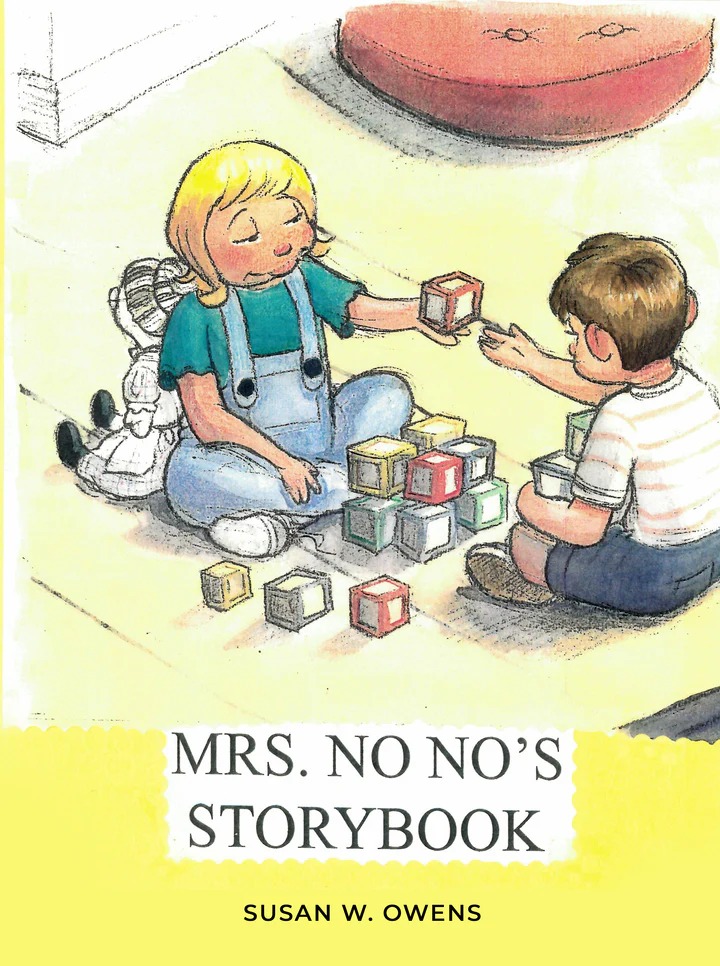
To help children understand the gravity of respect, we highly recommend incorporating Mrs. No No’s Storybook by Susan W. Owens into your teaching toolkit. Both teachers and parents can use the Mrs. No No puppet as a neutral, third-party model for respect; by placing the puppet on your hand to gently address a child’s lapse in judgment, you create a respectful “pause” that allows the child to reflect on their actions without feeling personally attacked or shamed. This tool models that we respect others enough to hold them to a high standard while simultaneously respecting their ability to change their own behavior.
Mrs. No No’s storybook inspires better choices, boosts self-esteem, and helps children feel safe and understood. A nurturing tool for parents, teachers, and every child.
Head to Amazon to purchase your copy: https://www.amazon.com/dp/B0FPPJX6DR
3. Encourage Active Listening
Respect begins with feeling heard. Teach children that when someone else is speaking, it is their job to stop, look, and listen. By modeling this yourself and giving them your full attention when they speak, you demonstrate that their voice matters, which encourages children to offer the same courtesy to their peers.
4. Use Positive Reinforcement
Catch children being respectful and acknowledge it immediately. Whether it is sharing a toy, using “please” and “thank you,” or waiting for a turn, labeling these actions as “respectful behavior” reinforces the positive habit. When children realize that respect leads to positive social recognition, they are much more likely to repeat those behaviors.
5. Teach the “Golden Rule”
While it sounds simple, the concept of treating others how we wish to be treated is a powerful developmental milestone. Take time to ask questions like, “How would you feel if someone did that to you?” This prompts the child to step outside their own immediate desires and consider the emotions of others.
6. Establish Clear Boundaries
Respect also means respecting the personal space and property of others. Teach children to ask before taking an object that isn’t theirs and to be mindful of others’ physical space. Clear, consistent boundaries provide the security children need to practice these social skills without anxiety.
7. Encourage Rhythmic Learning
Use tools like the “Raps for Respect” found in Mrs. No No’s Storybook to make these values stick. Rhythm helps children memorize expectations, such as the rap: “I must learn to respect all others, parents, teachers, sisters, and brothers; for when I show respect for all, I will feel ten feet tall!” When values are turned into a shared chant, they become part of the culture of the home or classroom.
8. Practice Conflict Resolution
Disagreements are inevitable, but they are also golden opportunities to teach respect. Instead of jumping in to solve the problem for them, guide children to use their words, express their feelings, and find a compromise. Showing them that a solution can be reached through calm conversation is one of the most effective ways to build lifelong respect.