Any teacher would know the struggle of teaching young minds positive behavior to maintain decorum, because so often, teaching positive behavior often feels like a constant, draining cycle of redirecting and explaining. Still, many children won’t understand what you are trying to say, and you just can’t blame them for their behavior. Kids, being kids, always try to find a way out of any situation, whether it is diverting from what you are trying to teach them or not.
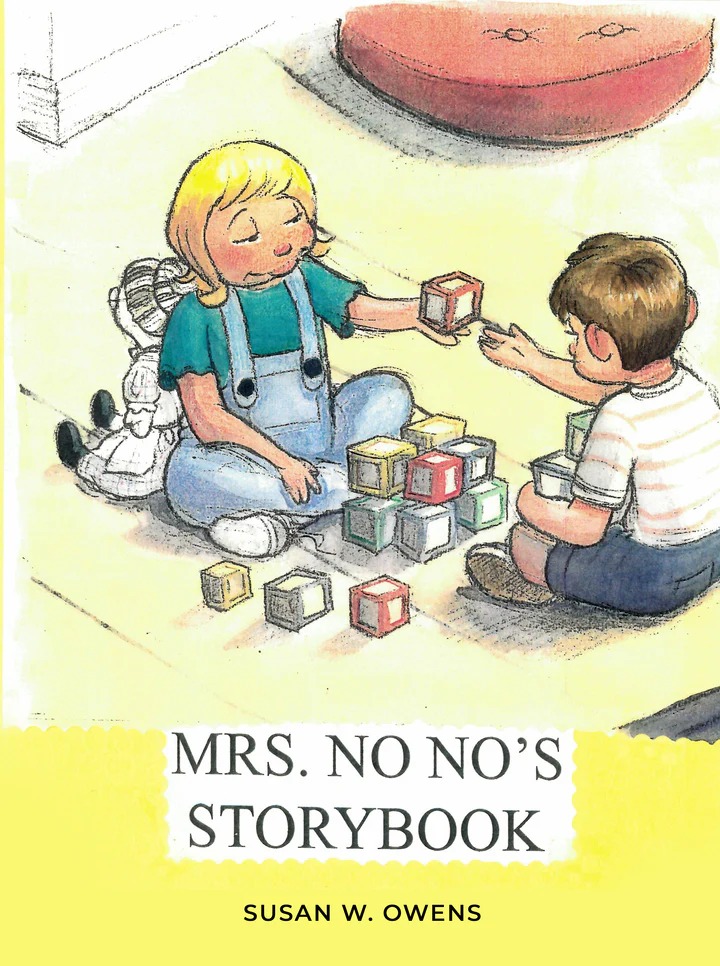
However, Mrs. No No’s Storybook is a good resource taht offers a unique, visual-centered approach that simplifies this process for both the teacher and the child. By using the Mrs. No No puppet, you can move away from being the “enforcer” and instead use a character-based tool that helps children cultivate their own internal awareness.
To fully grasp the methodology behind this approach, start reading and implementing the classroom strategies that are listed in Mrs. No No’s Storybook by Susan W. Owens. The book details the essential steps for establishing this positive behavior system in your classroom, ensuring you have the right tools to build a child’s conscience effectively.
Teachers can use the puppet as a gentle, consistent guide to reinforcing positive values through the “Raps for Respect.” This will help children build their own internal conscience rather than simply following external rules, which in turn creates a predictable and secure atmosphere where students are empowered to self-correct and grow, allowing you to focus more on teaching and less on managing disruptions.
Head to Amazon to purchase your copy: https://www.amazon.com/dp/B0FPPJX6DR
Visit the website, https://mrsnonostorybook.com/, to learn more.
Building a Conscience Through Visual Guidance
Children often struggle to grasp the “why” behind rules until they have a physical, visual way to process them. The Mrs. No No doll acts as a silent extension of the teacher’s guidance, offering a non-confrontational way to hold children accountable. When a child misbehaves, you can simply stretch the doll’s neck and have her look at the child, which becomes an interaction that provides immediate feedback without the need for raised voices or the shame that can come from public reprimands.
Developing Emotional Intelligence and Regulation
- Encouraging Self-Reflection: The goal of this system is to help the child establish a conscience. By having the doll look directly into a child’s eyes and shake her head “yes” when they break a rule, you prompt them to recognize their own mistake, which is the first step toward self-correction.
- The Power of Silent Cues: One of the most effective aspects of this program is that it reduces the need for verbal conflict. Eventually, the mere presence of the doll—or even seeing you reach for her—serves as a gentle trigger that encourages children to pause and self-correct their behavior before a verbal intervention is even necessary.
- Support for Diverse Learners: This method is particularly helpful for children who struggle with emotional regulation, including those on the autism spectrum. The puppet provides a consistent, predictable, and calm anchor in the classroom, which can help prevent behavioral meltdowns.
- A Focus on Positivity: The program isn’t just about catching mistakes; it’s about building character. By pairing the behavioral guidance of the doll with the “Raps for Respect,” you turn the classroom focus from “don’t do this” to “this is who we want to be,” fostering a supportive, growth-oriented environment.
By consistently implementing these tools, you are not just managing a classroom; you are guiding children toward developing an internal compass. This shift empowers students to take ownership of their choices, leading to a more respectful and harmonious learning environment for everyone involved.