Every parent and teacher hopes for the same thing: to help children grow into caring, confident and responsible individuals. We want children to succeed academically, build meaningful relationships and navigate life with strong values. But long before children learn advanced math, science or history, they begin learning something even more important: how to treat themselves and others.
Character begins early.
Among the many values children need to develop, three stand out as essential building blocks for life: respect, responsibility and kindness. These lessons shape how children interact with the world and influence the people they become. They are simple concepts on the surface, but their impact can last a lifetime.
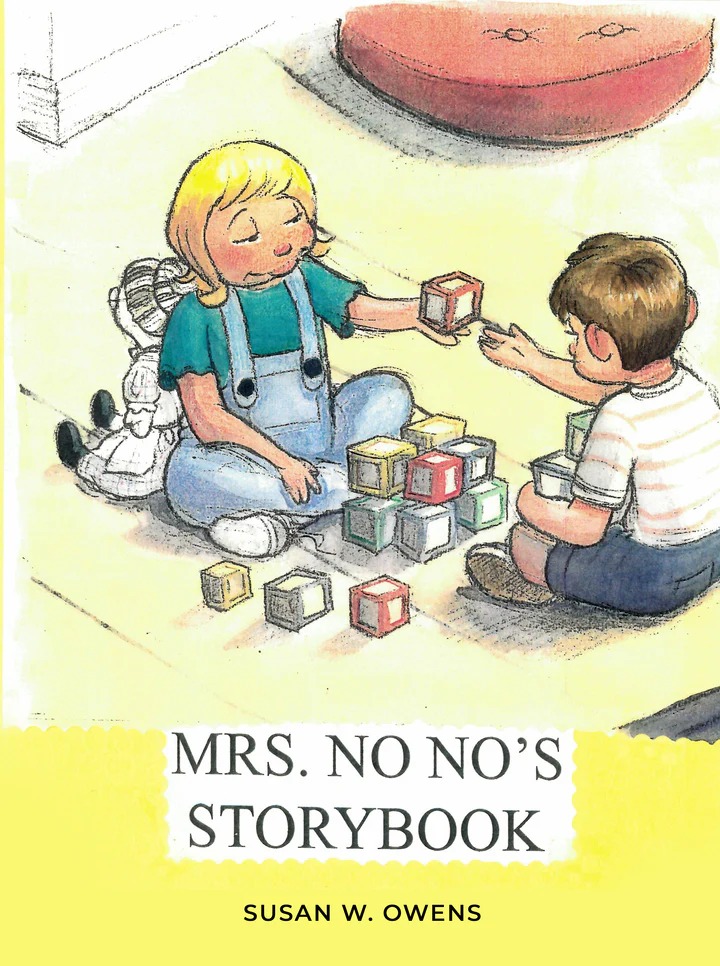
Stories such as Mrs. No No’s Storybook by Susan W. Owens remind us that teaching values does not always require long lectures or strict rules. Sometimes the most powerful lessons are learned through engaging stories, memorable characters and everyday examples.
Respect: Learning the Value of Others
Respect is one of the earliest and most important lessons a child can learn. It teaches children to recognize that everyone deserves care, consideration and understanding. Respect begins at home but extends into classrooms, friendships and communities.
Children who learn respect understand that their words and actions affect others. They learn to listen when someone is speaking, appreciate differences, follow rules and treat people with courtesy.
Respect is not simply about obedience. It is about recognizing the worth of others.
When children understand respect, they begin developing empathy. They start seeing situations from another person’s perspective and learn that kindness and consideration strengthen relationships.
These small daily habits, such as saying “please,” listening carefully, sharing with others and showing gratitude, become lifelong skills.
Responsibility: Teaching Children Ownership
Responsibility is another lesson children carry throughout life. It teaches them that choices have consequences and that their actions matter.
Children begin learning responsibility in simple ways: cleaning up toys, completing homework, helping with chores or following classroom expectations. These tasks may seem small, but they create habits that shape future behavior.
Responsibility helps children understand that they are capable contributors rather than passive observers.
As children grow, responsibility develops confidence. A child who completes tasks, follows through on commitments and takes ownership of mistakes begins to trust their own abilities.
Importantly, responsibility is not about perfection. Children will make mistakes. Every child does.
The goal is not to avoid mistakes entirely but to teach children how to learn from them and make better choices moving forward.
When children understand accountability early, they develop resilience and independence later in life.
Kindness: The Value That Changes Everything
Kindness may appear simple, but it often has the greatest influence of all.
Children remember how others make them feel. A kind word, an encouraging comment or a small act of compassion can leave a lasting impact.
Kindness teaches children that strength is not found in being louder, stronger or more important than others. Real strength often comes from caring.
Helping a friend, including someone who feels left out, saying encouraging words or offering support are actions that help children build stronger emotional connections.
Kindness creates communities where people feel valued and safe.
Perhaps most importantly, kindness benefits both the giver and the receiver. Children who practice kindness often develop stronger friendships, greater empathy and healthier self-esteem.
Building a Foundation for Life
Respect, responsibility and kindness are not lessons children learn in a single day. They are values developed through repetition, guidance and everyday experiences.
Parents, teachers and stories all play important roles in helping children understand these ideas.
Books like Mrs. No No’s Storybook remind us that character education does not need to feel complicated. Through stories and meaningful moments, children can discover lessons that stay with them long after childhood ends.
Because while academic skills prepare children for school, values prepare them for life.
And respect, responsibility and kindness may be three of the greatest gifts we can ever teach.