Self-esteem is one of the greatest gifts we can help children develop. Long before children fully understand grades, achievements or success, they begin forming opinions about themselves. They notice how others respond to them, how they compare themselves with peers and whether they feel capable, valued and loved.
Those early impressions matter.
A child with healthy self-esteem is more likely to try new things, recover from setbacks, build friendships and approach challenges with confidence. Children who believe in themselves often develop resilience and a stronger sense of emotional well-being. Yet self-esteem does not magically appear. It grows through encouragement, experiences and consistent positive messages.
The good news is that teaching confidence and self-worth does not have to feel like a formal lesson. In early childhood, some of the most powerful learning happens through play, creativity, stories and everyday moments.
Here are several fun and meaningful ways parents and teachers can help young children build healthy self-esteem.
1. Turn Positive Affirmations into Daily Rituals
Children remember what they repeat.
Simple affirmations can become powerful tools when practiced consistently. Phrases like:
“I am kind.”
“I can learn new things.”
“I am important.”
“I can do hard things.”
Help children develop positive internal messages.
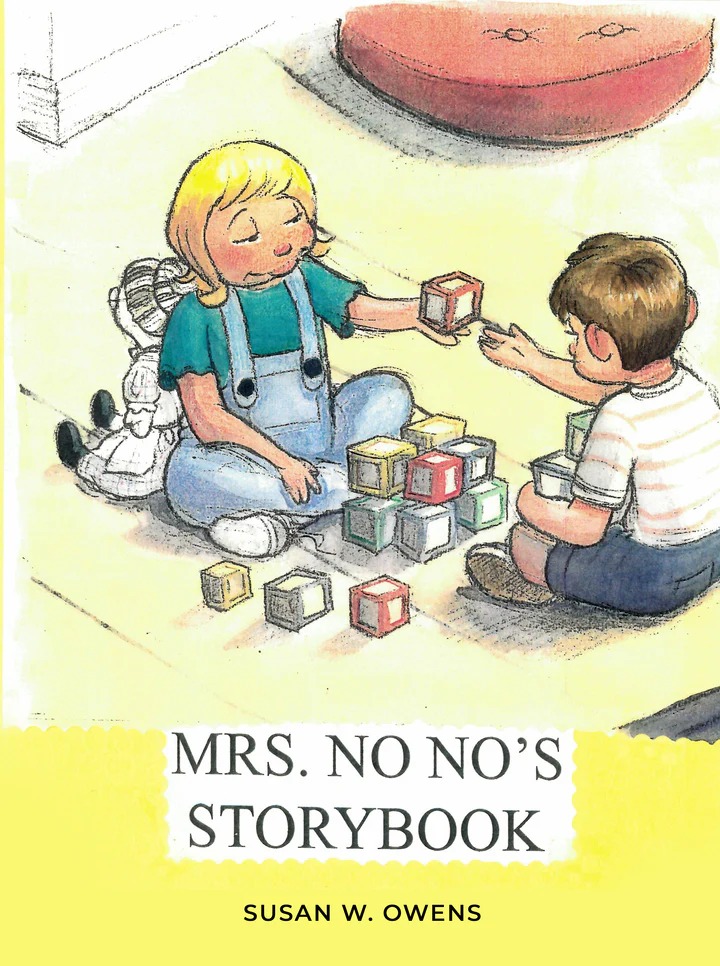
In Mrs. No No’s Storybook by Susan W. Owens, children are encouraged through an uplifting affirmation: “I’m good, I’m very good and I can do good things.” Repeated messages like these can help children begin seeing themselves as capable and valuable.
Make affirmations fun by adding movement, clapping rhythms, hand motions or morning routines.
Children often remember experiences more than instructions.
2. Celebrate Effort, Not Just Results
Many adults unintentionally praise only outcomes:
“You got the right answer!”
“You won!”
“Great job getting an A!”
While achievements deserve recognition, effort matters too.
Children need to hear:
“You worked really hard.”
“I love how you kept trying.”
“You didn’t give up.”
Celebrating effort teaches children that mistakes and challenges are part of growth. It builds confidence based on perseverance rather than perfection.
3. Create a “Kindness Spotlight”
Children feel valued when positive qualities are noticed.
Set aside moments where children are recognized for acts of kindness, responsibility, creativity or helpfulness. Teachers might create a classroom “Kindness Star” board, while families can share compliments at dinner.
Children light up when they hear:
“You helped your friend today.”
“You were thoughtful.”
“You showed kindness.”
These moments reinforce identity and encourage positive behavior.
4. Use Stories to Build Confidence
Children naturally connect with story characters.
Books often help children understand emotions, challenges and values in ways direct instruction cannot. Stories create opportunities to discuss confidence, kindness, courage and making good choices.
Ask simple questions during reading:
“How do you think that character felt?”
“What would you have done?”
“What was something brave they did?”
These conversations encourage self-reflection and emotional growth.
Stories can quietly shape how children see themselves.
5. Give Children Small Responsibilities
Confidence grows when children feel capable.
Age-appropriate responsibilities such as putting away toys, feeding a pet, organizing supplies or helping set the table allow children to contribute meaningfully.
These tasks send an important message:
“You are trusted.”
“You can help.”
“You can do important things.”
Small successes create lasting confidence.
6. Make Self-Esteem Active and Playful
Young children learn through movement and fun.
Turn encouragement into games:
- Create compliment circles.
- Play “I Like About Me” activities.
- Dance to positive songs.
- Act out confidence-building scenarios.
- Use hand motions with encouraging phrases.
Children absorb lessons more deeply when learning feels joyful.
Building Confidence One Moment at a Time
Self-esteem is not built through one conversation or one activity. It grows gradually through repeated experiences that tell children:
“You matter.”
“You are capable.”
“You are loved.”
Parents, teachers and stories all play important roles in shaping those beliefs.
When children are encouraged, supported and given opportunities to succeed, they begin developing something powerful: a belief in themselves.
And that belief may become one of the most important lessons they carry into the future.