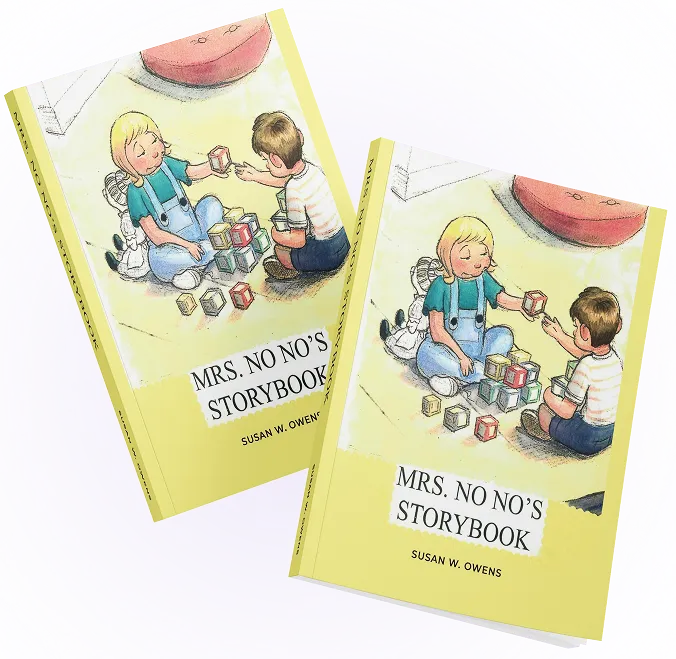
Children do not develop positive behavior by chance. It grows through patterns that are repeated until they become natural responses. These patterns, often called habit loops, shape how children act in everyday situations. When guided properly, they can turn small, consistent actions into lifelong strengths. Mrs. No No’s Storybook by Susan W. Owens offers a simple and effective way to build these patterns in a way children can understand and follow.
A habit loop begins with a cue, followed by an action, and ends with a result. For children, the cue might be a situation such as being asked to share or follow instructions. The action is how they respond, and the result is what happens next. When this cycle is repeated, it becomes familiar. Over time, the behavior no longer feels forced. It becomes automatic.
The challenge for parents and teachers is helping children form the right loops. Without guidance, children may react based on impulse rather than thought. This is where consistent reminders and clear examples make a difference. Mrs. No No’s Storybook introduces a guiding presence that helps children pause and think before acting. This moment of pause becomes the starting point of a positive habit loop.
One of the most powerful aspects of the story is its ability to create awareness. When children recognize a situation, they begin to anticipate the right response. For example, if a child is tempted to act out or ignore instructions, the memory of the guiding character encourages them to reconsider. This shift turns a reactive moment into a thoughtful one.
Repetition strengthens these loops. Each time a child makes a good choice, the pattern becomes more familiar. Over time, the need for reminders decreases because the behavior has been practiced enough to take hold. The story supports this process by presenting everyday situations that children encounter regularly, allowing them to apply the same lessons again and again.
Positive reinforcement plays a key role in maintaining these loops. When children see the benefits of their actions, they are more likely to repeat them. A kind response often leads to better interactions, while cooperation creates smoother experiences both at home and in school. These outcomes reinforce the idea that good behavior leads to positive results.
Another important element is consistency across environments. When the same expectations are present at home and in the classroom, children receive a clear and unified message. Using Mrs. No No’s Storybook as a shared reference helps create this alignment. The character becomes a familiar reminder, guiding children regardless of where they are.
Children also benefit from simple and memorable cues. Visual or verbal reminders can help trigger the desired behavior at the right moment. The story provides a strong example of how a recognizable figure can serve as that cue. Over time, children begin to internalize this presence, turning it into their own inner voice.
Building positive habit loops does not require complicated systems. It begins with small, intentional actions repeated over time. Encouraging children to pause, think, and choose wisely creates a cycle that strengthens with each success. The key is to make the process engaging and easy to remember.
Mrs. No No’s Storybook by Susan W. Owens stands out as a practical tool for shaping these patterns. Its relatable approach helps children understand their choices and the impact of their actions. By turning everyday moments into learning opportunities, it supports the development of habits that guide behavior in a lasting way.
When children are given the right structure and support, positive behavior becomes part of who they are. With the guidance found in Mrs. No No’s Storybook, habit loops are no longer abstract ideas. They become real, repeatable actions that help children grow into responsible and thoughtful individuals.
Explore this book now, available on Amazon: https://www.amazon.com/dp/B0FPPJX6DR.