Teaching young children to make the right choices is one of the most important responsibilities parents and educators share. Children are constantly learning how to respond to situations, interact with others, and manage their behavior. They do not automatically know what the right choice looks like in every moment. Instead, they learn through guidance, example, and consistent reinforcement. When adults approach this process with patience and clarity, children begin to develop confidence in their own ability to make thoughtful decisions.
Below are eight practical ways to help young children learn how to make better choices.
Model the Behavior You Want to See
Children learn more from what they observe than from what they are told. When adults demonstrate honesty, patience, and kindness in everyday situations, children absorb these behaviors naturally. Showing respect to others, admitting mistakes, and responding calmly during stressful moments teaches children how responsible choices look in real life.
Explain Why Choices Matter
Simply telling a child that something is wrong is not always enough. Children benefit from understanding why a certain behavior is better than another. Explaining the consequences of actions helps them see how their choices affect others and themselves. Over time, this understanding strengthens their ability to think before acting.
Encourage Children to Pause and Think
Young children often react quickly because they are still learning self control. Teaching them to pause and think before acting is a powerful skill. Simple prompts such as asking them to consider what might happen next help them develop awareness of their decisions.
Use Storytelling to Teach Values
Stories allow children to explore choices in a safe and engaging way. When children see characters making decisions and experiencing outcomes, they begin to understand right and wrong more clearly. Reading stories together also opens the door for meaningful conversations about behavior and values.
Introduce Positive Role Models Through Books
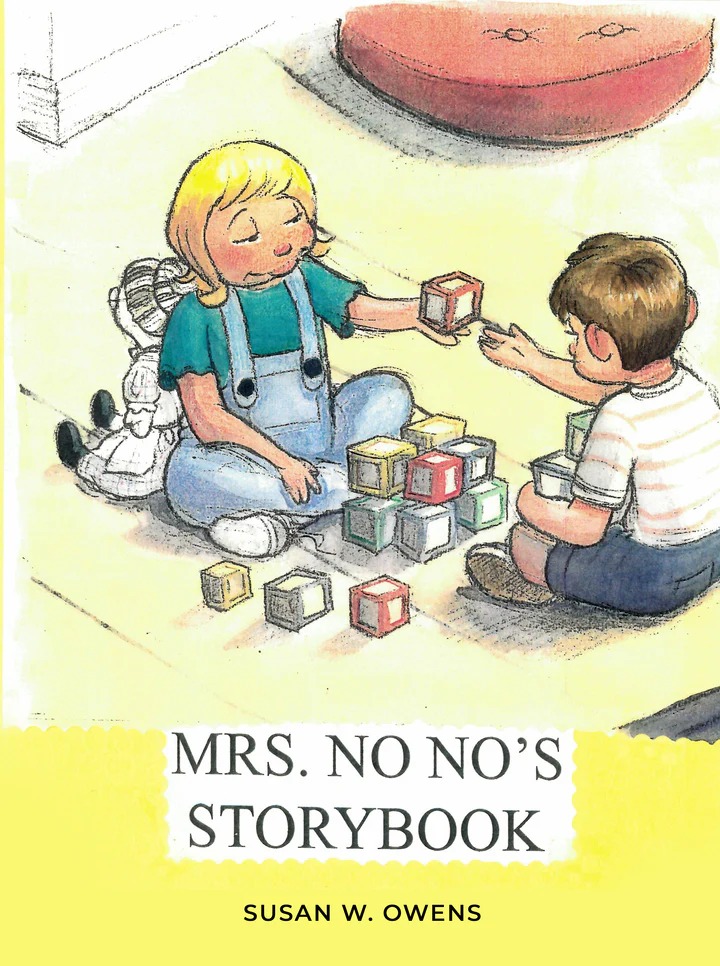
Books can become powerful teaching tools. Mrs. No No’s Storybook by Susan W. Owens is a wonderful example of how storytelling can guide children toward better choices. The story encourages children to pause and reflect before acting, helping them recognize when they should choose kindness, honesty, and responsibility. By seeing these lessons presented in a relatable story, children are more likely to remember them in real-life situations.
Grab your copy from https://www.amazon.com/dp/B0FPPJX6DR.
Praise Thoughtful Decisions
Positive reinforcement builds confidence. When children make a good choice, recognizing their effort helps reinforce that behavior. Praise should focus on the decision itself rather than simply the result. This encourages children to repeat the behavior because they feel proud of their actions.
Set Clear and Consistent Expectations
Children thrive when expectations are predictable. Clear rules help them understand boundaries and responsibilities. When expectations remain consistent, children feel secure and are better able to develop self discipline.
Create Opportunities to Practice Responsibility
Allowing children to take on small responsibilities helps them develop decision making skills. Simple tasks such as helping at home, sharing with others, or resolving small conflicts allow them to practice making thoughtful choices.
Teaching children to make the right choices is a gradual process that requires patience and encouragement. Through modeling behavior, guiding conversations, and using meaningful stories such as Mrs. No No’s Storybook by Susan W. Owens, adults can help children develop the awareness and confidence they need to choose wisely throughout their lives.