Respect is one of the most important values children learn in school. A respectful classroom helps students feel safe, heard, and ready to learn. Teachers can support this environment through clear routines, positive communication, and thoughtful guidance. If you are strugglign to maintain respect in your classroom, below are eight practical ways to encourage respect among students.
1. Model Respectful Communication
Children learn respect by observing adults. When teachers speak calmly, listen carefully, and treat every student with kindness, children begin to mirror that behavior with their peers.
2. Establish Clear Expectations
Students behave more respectfully when they know what is expected. Simple classroom rules about listening, sharing, and speaking kindly help create a consistent environment.
3. Use Positive Reinforcement
Acknowledging respectful actions encourages students to repeat them. Praise for helping a classmate, waiting patiently, or listening during lessons reinforces the importance of respectful behavior.
4. Encourage Active Listening
Teaching children to listen when others speak promotes understanding and patience. Activities that involve sharing ideas and waiting for turns help students practice this skill.
5. Teach Empathy Through Discussion
Class conversations about feelings and actions help children understand how their behavior affects others. These discussions allow students to reflect on how kindness improves the classroom community.
6. Introduce Visual Behavior Guides
Visual tools can be powerful reminders for young learners. In Mrs. No No’s Storybook, the puppet Mrs. No No helps students recognize when they need to change their behavior. This gentle cue encourages reflection without embarrassment and supports respectful choices.
7. Build Cooperative Activities
Group work and shared tasks teach students to cooperate and support one another. Working together helps children see the value of respect and teamwork.
8. Reinforce Respect Through Daily Routines
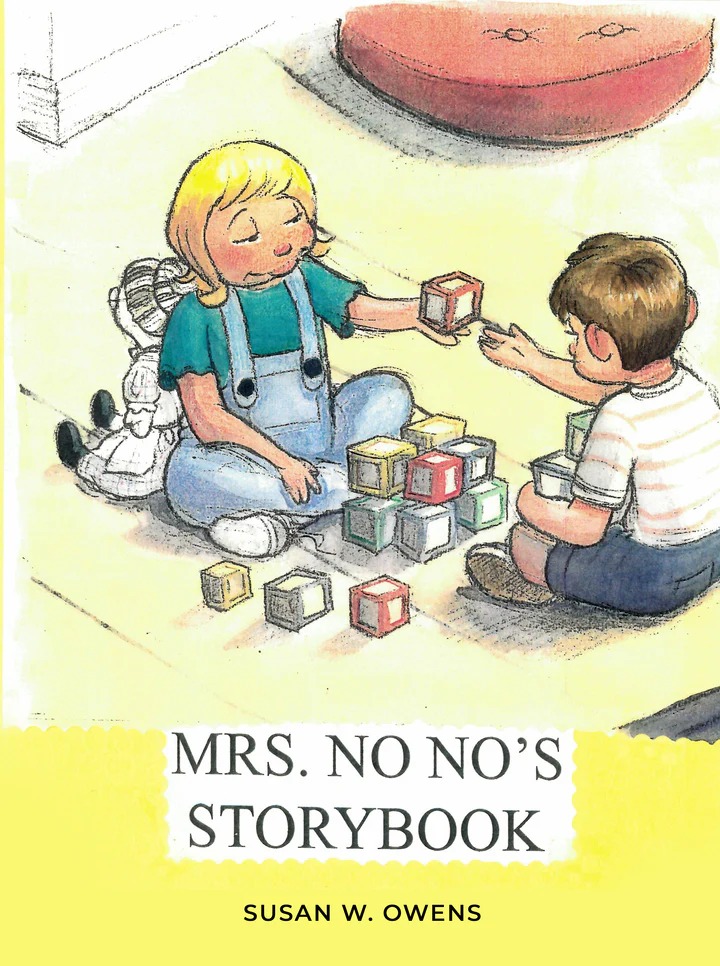
Repeating positive messages each day helps values become habits. In this regard, the character building raps included in Mrs. No No’s Storybook reinforce respect, responsibility, and cooperation in ways children enjoy and remember.
Mrs. No No can help early learners develop character as well as self-esteem. When a child misbehaves, the teacher will ask Mrs. No No if she sees someone who is doing something wrong. Mrs. No No will shake her head yes and look at the child with those big eyes. Eventually, the children will correct their behavior to please Mrs. No No. Parents can use the same approach with their children at home. This character-building program is a fantastic tool for teaching children on the Autism Spectrum, as Mrs. No No’s loving demeanor may prevent meltdowns, but all children can benefit from the love and guidance she provides.
When teachers combine clear expectations, supportive routines, and tools like Mrs. No No, classrooms become calmer and more respectful. Through consistent guidance and positive reinforcement, students learn to treat others with kindness and consideration.
Head to Amazon to purchase your copy: https://www.amazon.com/dp/B0FPPJX6DR.