Loud classrooms can overwhelm both teachers and students. This makes it difficult for children to focus and learn. When voices rise repeatedly, young learners may become anxious, distracted, or unsure of what is expected from them.
While teachers often try many ways, they often find themselves in trouble because they do not succeed every time. While there is a margin of error in trying a new approach to maintain decorum and respect in the classroom,Mrs. No No’s Storybook offers a more direct and trusted way to help teachers reduce the noise and maintain a more appropriate atmosphere.
Written by Susan W. Owens, the book introduces Mrs. No No. She is a puppet that serves as a calm visual reminder rather than a loud correction. When teachers read the story and introduce Mrs. No No to their class, children quickly understand that she is there to help them make better choices. Instead of hearing constant verbal reminders, students see a visual cue that encourages them to pause and think about their actions. This helps them develop better behavior habits over time.
Reading the book helps children understand the purpose of Mrs. No No before she is used in real situations. Through the story, they see how the puppet gently reminds Katy to behave properly throughout the school day. Because children already know the character and her role, they respond naturally when the teacher later uses the puppet in class. The moment Mrs. No No appears, students recognize that it is time to reconsider their behavior. This method keeps the classroom calm while helping children reflect on their choices.
Teachers can also use Mrs. No No to stimulate endurance and empathy in the classroom. For example, when a child becomes impatient or frustrated during an activity, the teacher can bring out Mrs. No No to remind the student to stay focused and try again. This visual cue encourages persistence without pressure. At the same time, the puppet can help children think about how their actions affect others.
When Mrs. No No looks toward a child and asks whether someone needs to change their behavior, students often begin to consider how their actions impact classmates. Over time, this simple method helps build patience, empathy, and self-control, helping both the children and the teachers to maintain a balanced approach to learning and growth.
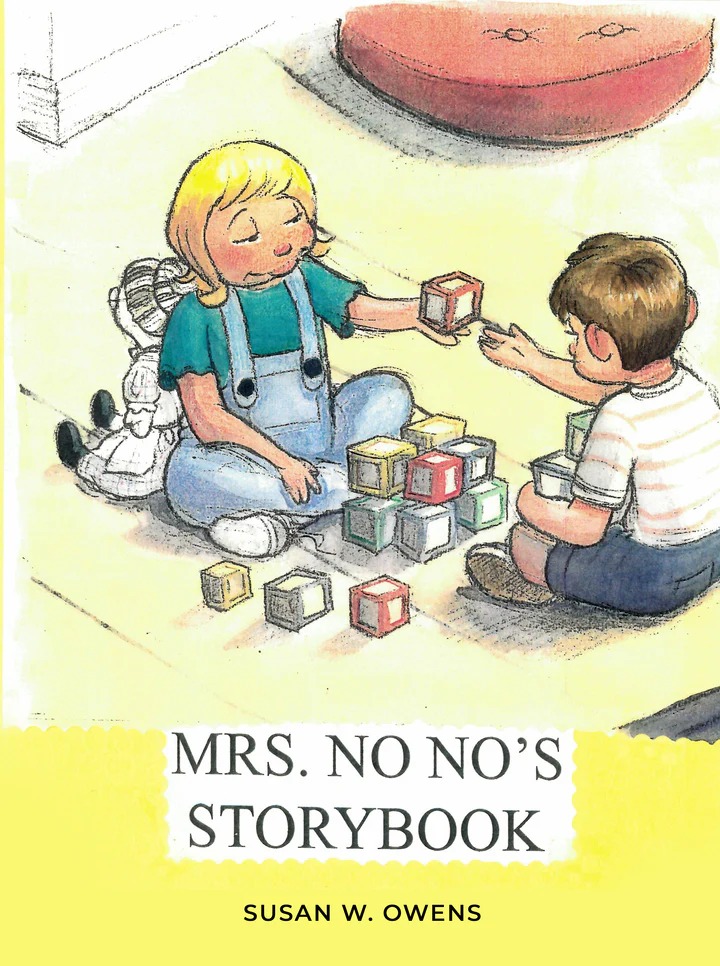
Here is a simple guide to use this book and the puppet Mrs. No No in the class.
When a child misbehaves, the teacher will ask Mrs. No No if she sees someone who is doing something wrong. Mrs. No No will shake her head yes and look at the child with those big eyes. Eventually, the children will correct their behavior to please Mrs. No No. Parents can use the same approach with their children at home. This character-building program is a fantastic tool for teaching children on the Autism Spectrum as Mrs. No No’s loving demeanor may prevent meltdowns, but all children can benefit from the love and guidance she provides.
Through a simple story about a child named Katy, readers see how Mrs. No No gently reminds students to reflect on their actions and correct their behavior without fear or embarrassment. In addition to the story, the book provides practical guidance for teachers on how to introduce and use Mrs. No No as a visual behavior cue. It also includes character building raps that teach values such as respect, honesty, responsibility, cooperation, and good manners. By combining storytelling with practical classroom strategies, Mrs. No No’s Storybook supports social emotional learning and helps create a positive classroom environment where children feel confident, respected, and capable of making good choices.
Head to Amazon to purchase your copy: https://www.amazon.com/dp/B0FPPJX6DR.