Consistency matters when teaching values to young learners because children learn through repetition, predictability, and trust. At an early age, children are still forming their understanding of right and wrong. When expectations change frequently or are applied inconsistently, children become confused and uncertain. Consistent guidance provides a stable framework that helps children feel safe and confident as they learn how to behave and make choices.
Young learners rely heavily on patterns. They observe how adults respond to situations and use those responses to shape their own behavior. When values such as respect, responsibility, and honesty are reinforced consistently, children begin to recognize them as reliable principles rather than temporary rules. This reliability helps children internalize values instead of viewing them as something imposed only in certain moments.
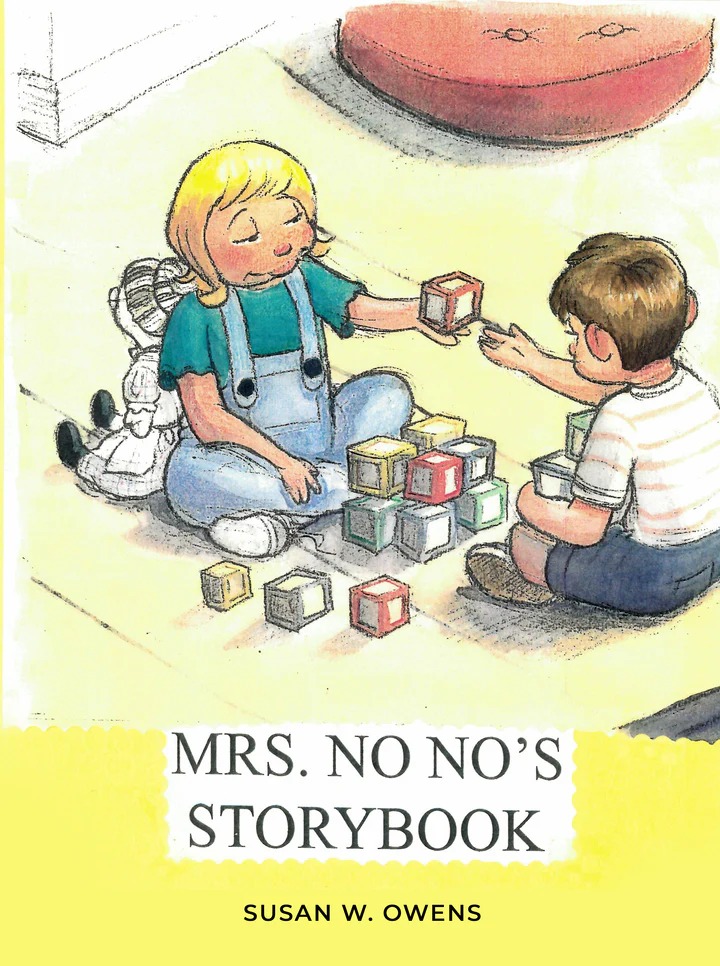
In Mrs. No No’s Storybook by Susan W. Owens, consistency is a central theme. The guidance offered throughout the story does not change based on mood or circumstance. The message remains the same. Do the right thing. This steady reinforcement allows children to understand what is expected without fear of unpredictability. When children know what to expect, they are more willing to cooperate and reflect on their actions.
Consistency also supports emotional security. Children feel calmer when they understand boundaries and expectations. Inconsistent responses can lead to anxiety or testing behavior as children try to determine what is acceptable. When adults respond consistently, children do not need to guess. This emotional stability allows them to focus on learning rather than managing uncertainty.
Another important reason consistency matters is that it supports self-regulation. When values are reinforced the same way each time, children begin to anticipate outcomes. They learn to pause and think before acting because they understand the connection between choices and consequences. Over time, this leads to internal decision making rather than reliance on external correction. Children start to guide themselves using the values they have learned.
Consistency also strengthens trust between children and adults. When children know that adults will respond fairly and predictably, they feel respected and understood. This trust makes children more receptive to guidance. In Mrs. No No’s Storybook by Susan W. Owens, guidance is delivered calmly and repeatedly, reinforcing the idea that learning is ongoing and mistakes are opportunities for growth.
Teaching values consistently does not mean being rigid or harsh. It means responding with the same core principles while allowing room for understanding and compassion. Gentle repetition helps children absorb lessons without feeling pressured. This balance is especially important for young learners who are still developing emotional awareness and impulse control.
Consistency across environments also matters. When values are reinforced both at home and in school, children receive a unified message. This alignment strengthens learning and reduces confusion. Storybooks play an important role in this process because they provide a shared reference point. Parents and teachers can refer back to familiar story moments to reinforce expectations in a supportive way.
Ultimately, consistency helps values become part of who a child is rather than something they are told to follow. Through repeated exposure and steady guidance, children develop an internal compass that directs their behavior. Mrs. No No’s Storybook by Susan W. Owens demonstrates how consistent storytelling and gentle reinforcement can shape character in a lasting and meaningful way.
Grab your copy from https://www.amazon.com/dp/B0FPPJX6DR.