Using storybooks to teach responsibility at home is one of the most natural and effective ways to help children understand expectations and develop positive habits. Stories allow children to see responsibility in action rather than hearing about it as a rule. When children observe characters making choices, facing outcomes, and learning from everyday situations, responsibility becomes relatable and meaningful instead of abstract or demanding.
Storybooks create a safe space for learning. Children can explore mistakes and successes through characters without fear of personal failure. This distance helps children reflect more openly. When a character forgets to complete a task or chooses to follow through despite reluctance, children recognize those moments from their own lives. These familiar situations make responsibility feel achievable rather than overwhelming.
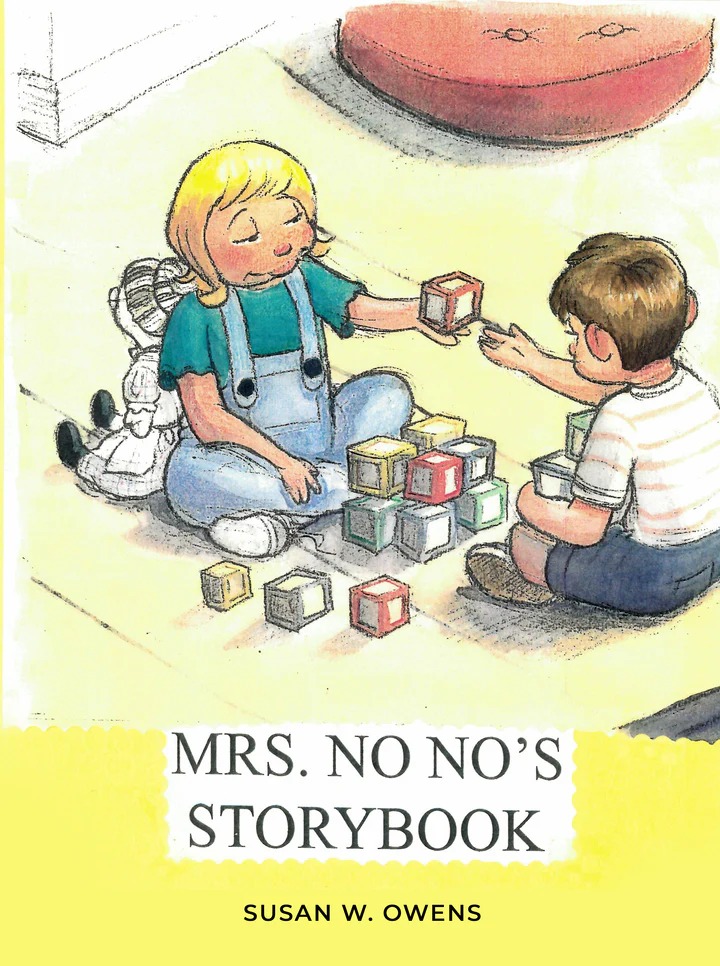
Mrs. No No’s Storybook by Susan W. Owens presents responsibility through gentle guidance and repetition. The story shows that there are things children must do even when they do not want to do them. Instead of framing responsibility as punishment, the book presents it as a pathway to feeling proud and capable. This positive framing helps children associate responsibility with self-respect and confidence.
Reading together at home strengthens the impact of these lessons. Shared story time allows parents to pause and discuss moments where a character makes a responsible choice. These conversations feel supportive because the focus is on the story, not the child’s behavior. Parents can ask simple questions about what the character did and how it made them feel. This encourages children to think critically and apply the lesson to their own experiences.
Storybooks also support consistency in teaching responsibility. When children hear the same message repeatedly through stories, it reinforces expectations without constant reminders. Mrs. No No’s Storybook by Susan W. Owens emphasizes doing the right thing through familiar patterns. This repetition helps children internalize responsibility as part of daily life rather than something enforced only when rules are broken.
Another important benefit of using storybooks is emotional connection. Children remember lessons that are tied to feelings. When a character feels proud after completing a task or calm after making a good choice, children associate those emotions with responsible behavior. This emotional reinforcement encourages children to repeat those actions in real life.
Storybooks also encourage self-correction. Instead of being told what to do, children learn to pause and think. When parents later reference a story moment during daily routines, it serves as a gentle reminder rather than a command. This approach helps children develop independence and accountability. They begin to recognize responsibility as something they choose rather than something imposed.
At home, responsibility often includes simple tasks such as cleaning up, helping others, or following routines. Storybooks provide examples that normalize these expectations. Children see that responsibility is a shared part of family life and that everyone has a role to play. This understanding reduces resistance and builds cooperation.
Using storybooks to teach responsibility also strengthens the parent child relationship. Learning together creates trust and connection. Children feel supported rather than corrected, which makes them more receptive to guidance. Over time, parents may notice that fewer reminders are needed because children begin to take ownership of their actions.
Ultimately, storybooks help responsibility grow naturally. They teach children that doing the right thing brings a sense of pride, calm, and belonging. Mrs. No No’s Storybook by Susan W. Owens shows how simple storytelling can support responsibility at home in a way that feels encouraging and lasting.
Grab your copy from https://www.amazon.com/dp/B0FPPJX6DR.