The most meaningful behavior changes happen when children choose to improve on their own. In early education, constant correction can quickly become exhausting for teachers and discouraging for students. Self-correction, on the other hand, helps children grow from the inside out. It teaches responsibility, awareness, and confidence.
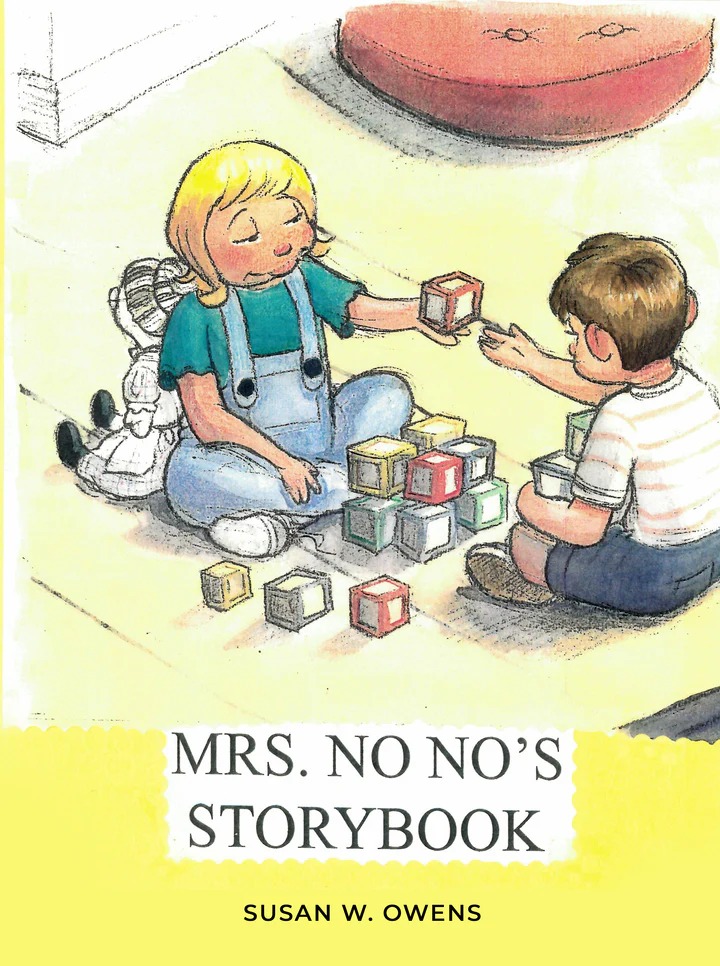
This approach is at the heart of many calm classrooms and is clearly reflected in the method shared in Mrs. No No’s Storybook.
Understanding the Difference Between Correction and Self-Correction
Constant correction places the responsibility on the teacher. The adult watches closely, steps in often, and repeatedly directs behavior. While this may manage behavior in the short term, it does not always help children understand why their choices matter. Self-correction shifts that responsibility to the child. The teacher provides a clear cue, then gives the child space to think and respond. This process supports learning rather than control.
How Self-Correction Builds Internal Responsibility
When children are given the chance to reflect, they begin to understand their role in the classroom. They learn that their actions have meaning and impact. Internal responsibility develops when children recognize expectations and choose to meet them without being told every time. This skill is essential not only in school but also in life.
In Mrs. No No’s Storybook, self-correction is encouraged through a gentle visual reminder. When a child forgets a rule, the teacher uses Mrs. No No as a quiet signal rather than a verbal command. The child is asked a simple question that invites reflection. This moment allows the child to pause and adjust their behavior independently, which strengthens their sense of responsibility.
Why Constant Correction Can Work Against Growth
Frequent verbal correction can cause children to rely on adults to manage their behavior. They may wait to be told what to do rather than thinking for themselves. Over time, this can lead to frustration, resistance, or disengagement. Constant correction can also affect confidence, especially if children feel they are always being watched or corrected.
Self-correction avoids these issues by keeping guidance calm and predictable. Children do not feel singled out or pressured. Instead, they feel supported in making better choices.
The Role of Visual Cues in Self-Correction
Visual cues are powerful because they reduce emotional intensity. A calm signal communicates expectation without tension. In the classroom method shared in Mrs. No No’s Storybook, Mrs. No No becomes a familiar presence. Children quickly learn what her appearance means. After repeated use, many students correct themselves as soon as they see the cue. It shows that learning has shifted from external control to internal understanding.
Long-Term Benefits for Children and Teachers
Self-correction supports emotional growth, confidence, and independence. Children feel proud when they make good choices on their own. Teachers benefit as well. Less time is spent correcting behavior, and more time is spent teaching and connecting. The classroom feels calmer, and relationships grow stronger.
A Gentle Path Toward Better Behavior
Self-correction does not lower expectations. It strengthens them by helping children understand and meet them independently. When children are trusted to reflect and respond, they rise to the challenge.
For educators looking to encourage internal responsibility and lasting behavior change, Mrs. No No’s Storybook offers a gentle and practical approach worth reading.
Explore this book now, available on Amazon: https://www.amazon.com/dp/B0FPPJX6DR.