Many parents wonder why behavior strategies that work so well in classrooms seem harder to apply at home. The difference is often not the child, but the structure. Classrooms rely on clear routines, visual cues, and calm guidance. When these same elements are introduced at home, children often respond just as positively. Tools designed for classroom behavior can be adapted for family life with thoughtful consistency.
Why Children Respond to Structure Everywhere
Children feel secure when they know what to expect. Predictable routines help them understand boundaries and make better choices. In classrooms, structure is visible and consistent. At home, routines can be more flexible, which sometimes leads to confusion. When parents borrow classroom tools, they provide clarity that helps children more easily regulate their behavior.
Visual cues are especially effective. They reduce the need for repeated verbal reminders and help children pause and think. This approach supports emotional development by allowing children to respond rather than react.
Adapting Visual Cues for Home Routines
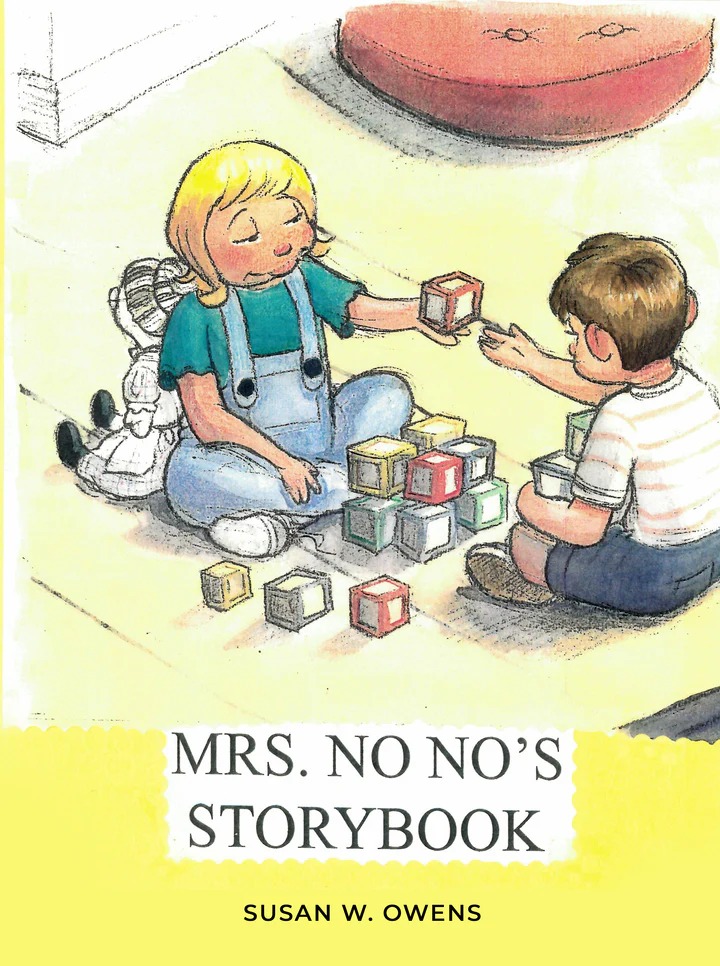
One of the simplest ways to adapt classroom behavior tools at home is through visual reminders. In Mrs. No No’s Storybook, teachers use a puppet named Mrs. No No as a gentle cue when a child needs to adjust behavior. Parents can use a similar approach during daily routines.
For example, during homework time or bedtime, a parent might use a visual signal or a friendly character to remind a child to stay on task. The goal is not to correct loudly but to signal expectation calmly. Children often respond better when guidance feels familiar and non-threatening.
Encouraging Self-Correction at Home
Classroom tools are effective because they encourage self-correction. This skill is just as important at home. When parents use calm cues rather than constant instructions, children learn to recognize when they need to change their behavior. It builds responsibility and confidence.
In the method shown in Mrs. No No’s Storybook, children are asked a simple question that invites reflection. Parents can use this idea by asking gentle questions that prompt thinking. This approach helps children take ownership of their choices rather than reacting to commands.
Using Positive Language and Affirmations
Positive routines are another key classroom strategy that works well at home. Simple affirmations help children build self-esteem and emotional strength. Repeating encouraging phrases during transitions or challenging moments can shift a child’s mindset.
Parents might introduce a short affirmation during morning routines or before bedtime. This practice mirrors the character-building raps in Mrs. No No’s Storybook and reinforces positive behavior in a supportive way.
Consistency Makes the Difference
The most important element of adapting classroom tools for home is consistency. Children need time to learn what cues mean and how to respond. When parents remain calm and predictable, children begin to trust the process. Over time, behavior improves because children understand expectations clearly.
Bringing Classroom Success Home
Behavior tools do not belong only in schools. When adapted thoughtfully, they can support family routines and reduce daily stress. Calm guidance, visual reminders, and positive reinforcement work wherever children learn and grow.
For parents seeking a gentle and practical approach to behavior support, Mrs. No No’s Storybook offers helpful ideas worth reading.
Explore this book, available on Amazon: https://www.amazon.com/dp/B0FPPJX6DR.