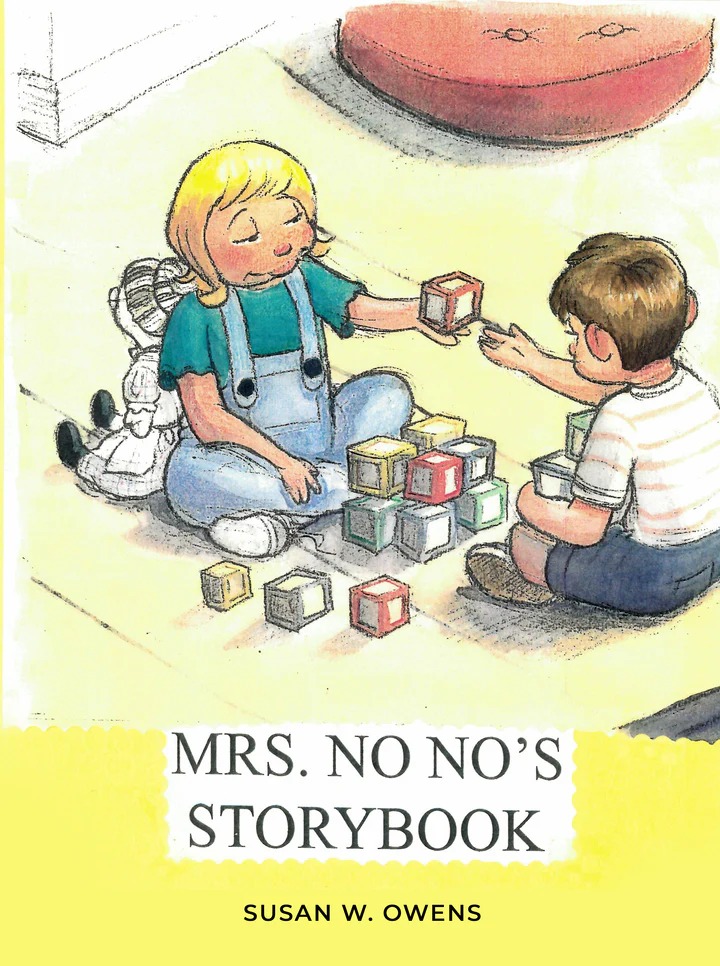
The most effective classrooms are not the loudest or the strictest. They are the ones where children feel safe, understood, and consistently guided. For early educators, classroom management is not about control. It is about teaching children how to manage themselves. A positive approach creates an environment where learning and emotional growth happen together. That is exactly the kind of guidance supported by the methods shared in Mrs. No No’s Storybook.
Start With Clear and Gentle Expectations
Positive classroom management begins on the first day. Children need to know what is expected, but they also need to feel encouraged rather than intimidated. Clear expectations delivered with warmth help children settle into routines quickly. When expectations are introduced through stories, visuals, or friendly characters, children are more likely to understand them. This approach sets a calm tone that supports learning from the start.
In Mrs. No No’s Storybook, teachers are guided on how to introduce expectations using a simple character who helps children remember to make good choices. This method removes fear from discipline and replaces it with clarity.
Use Visual Cues Instead of Constant Reminders
Young children respond strongly to visual signals. Visual cues reduce the need for repeated verbal correction and help children stay focused. When a teacher uses a calm visual reminder, the child is given time to pause and think. It supports self-awareness and reduces classroom disruption.
Mrs. No No functions as a visual cue that speaks without words. When she appears, children recognize what is expected and often adjust their behavior on their own. It makes the classroom feel steady and predictable.
Encourage Self-Correction and Responsibility
One of the strongest elements of positive classroom management is teaching children to take responsibility for their actions. Self-correction helps children build independence and confidence. Instead of being told what to do repeatedly, children learn to recognize when they need to make a better choice.
The method in Mrs. No No’s Storybook supports this by using gentle prompts rather than commands. Children are invited to reflect, which strengthens their sense of internal responsibility and emotional growth.
Build Character Through Daily Routines
Positive behavior is reinforced when values are practiced daily. Short routines that teach respect, honesty, cooperation, and responsibility help children understand what good behavior looks like. When these lessons are repeated often, they become part of the classroom culture.
The book includes simple raps that can be used during transitions or group moments. These routines help children remember expectations while also building confidence and connection.
Create Emotional Safety for Better Learning
Children learn best when they feel safe. A positive classroom environment protects emotional well-being by avoiding shame and fear. Calm guidance helps children feel supported even when they make mistakes. This emotional safety encourages participation, risk-taking, and trust.
Teachers also benefit from this approach. Less stress, fewer confrontations, and stronger relationships make teaching more rewarding.
A Professional Resource for Early Educators
Positive classroom management requires practical, consistent, and easy-to-use tools. Mrs. No No’s Storybook serves as a professional resource that supports both behavior guidance and emotional development. It offers clear steps, real classroom strategies, and routines that grow with the class.
For early educators seeking a calm, effective approach to classroom management, Mrs. No No’s Storybook is a valuable resource, available on Amazon: https://www.amazon.com/dp/B0FPPJX6DR.