Teaching manners to children does not have to be complicated, right?
While most of us were taught manners as surface-level behavior. Say please. Say thank you. Sit properly. Speak nicely. While these actions matter, manners are not just social rules. They are expressions of empathy, awareness, and self-control.
When manners are taught through force, children may comply temporarily. They may use polite words when watched. But the meaning behind those words often gets lost. True manners grow from understanding, not pressure.
In fact, according to many studies, children learn manners best when they feel respected themselves, as respect invites respect in return.
Why Force Create Resistance?
Force-based teaching relies on fear of consequences. It may include threats, raised voices, or shaming language. These approaches can shut down learning. A child who feels embarrassed or frightened is less likely to absorb a lesson.
When a child is told, “Say thank you right now or else,” the focus shifts away from gratitude. The child learns to perform rather than feel. Over time, these manners cues become empty habits rather than sincere expressions. This does not mean ignoring rude behavior. It means correcting it with intention and calm.
Start With Modeling and Not Commands
Children watch adults closely. They notice how adults speak to store clerks, family members, and strangers. They observe tone, patience, and kindness.
If adults consistently model polite language, children are far more likely to follow. Saying “please,” “thank you,” “excuse me,” and “I am sorry” in everyday interactions shows children how manners function in real life.
Modeling works because it feels natural. It does not single the child out. It quietly sets a standard.
Children are more motivated when they understand why something matters. Instead of saying, That is rude, explain the impact. When you interrupt, it makes it hard for others to feel heard. When you say thank you, people feel appreciated.
Keep explanations short. One or two sentences are enough. Long lectures often dilute the message.
This approach helps children connect manners to feelings. Over time, they begin to notice how their words affect others.
Use Gentle Reminders Instead of Power Struggles
Children forget. They get distracted. They test limits. Therefore, gentle reminders work better than confrontations.
A quiet prompt like, What do we say when someone helps us?, invites cooperation. It keeps the interaction respectful. The child still gets to choose the behavior.
When a child resists, avoid escalating. You can model the phrase yourself. Thank you for waiting. The child often follows naturally.
Manners are learned through repetition. Daily routines offer endless opportunities. Meals. Playtime. Bedtime. Transitions. Instead of correcting every mistake, focus on one or two key manners at a time. Practice them consistently. Celebrate progress.
Praise effort rather than perfection. I noticed you waited your turn. That was kind. Specific feedback reinforces learning.
How Stories Support Manners Without Force?
Stories allow children to observe behavior without being corrected directly. They remove pressure and defensiveness. A child can reflect on a character’s actions without feeling judged.
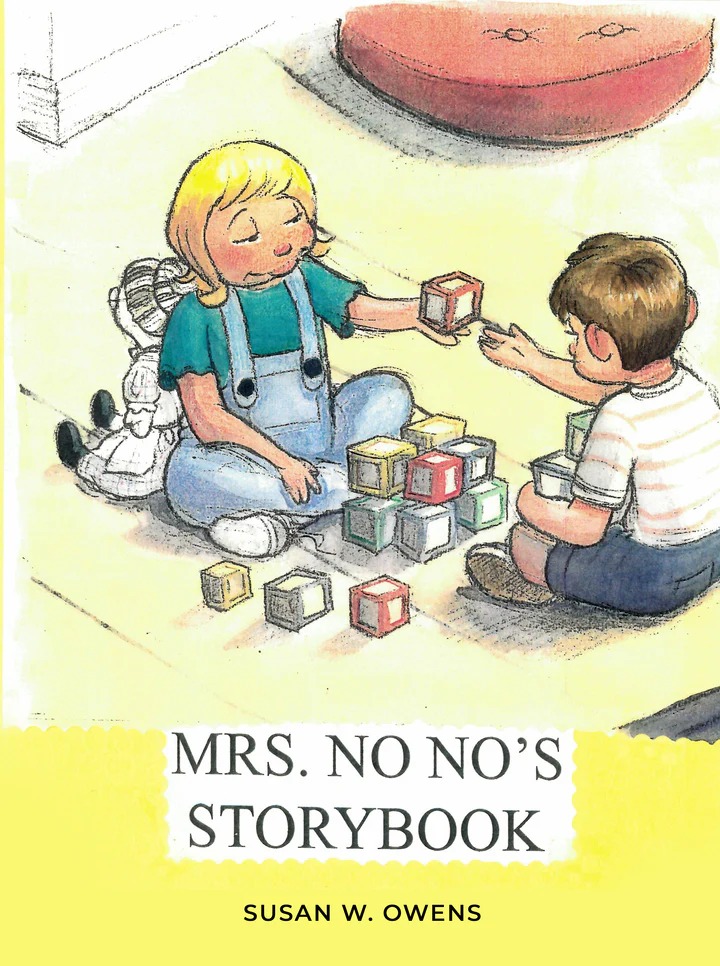
In Mrs. No No’s Storybook by Susan W. Owens, young readers follow Katy through everyday situations where manners naturally come into play. Greeting others. Listening to adults. Showing kindness to siblings. The guidance is gentle and consistent. Katy is reminded rather than forced. She responds because she understands the value of her choices.
Stories like this create a shared language. Instead of correcting a child directly, an adult can reference the story. Remember how Katy chose kind words. What could help here?
This approach keeps manners connected to empathy and choice.
Head to Amazon to purchase your copy: https://www.amazon.com/dp/B0FPPJX6DR.
Building Manners That Last
Teaching manners without force takes patience. It may not produce instant results. But it builds something deeper. It builds awareness.
Children who learn manners through understanding are more likely to use them even when no one is watching. They learn that politeness is not about approval. It is about connection.
Over time, these small lessons shape how children move through the world. Calm guidance, modeling, and meaningful stories help manners become part of who a child is, not just what they are told to do.