Understanding Respect and Responsibility
Respect and responsibility do not only include saying “please” and “thank you” or finishing chores. Respect is how children treat others when emotions are high. Responsibility is how they respond when something is hard or inconvenient.
These qualities take time to develop. They are not absorbed through lectures. They are learned through experience, repetition, and meaning. Lectures may explain rules. But they rarely change behavior, as young children especially struggle to process long explanations when emotions are involved. A lecture can feel like blame. It can cause defensiveness or withdrawal.
Even when children appear to listen, the message may not stick. Information without emotional connection fades quickly.
Why Stories Teach Values More Effectively?
Stories work because they engage imagination and emotion. When children follow a character through a situation, they practice decision-making internally. They think about feelings, outcomes, and alternatives.
A story lowers resistance. It invites curiosity instead of compliance. Children are more open to values when they are woven into a narrative rather than delivered as instructions.
Stories also allow children to see responsibility and respect in action. They observe how choices affect relationships. This observational learning is powerful.
Respect and responsibility grow through consistent practice. Children need repeated opportunities to try, fail, and try again. Short reminders work better than long explanations, and shared language helps. When adults and children reference the same story or a character’s journey, guidance becomes easier and can help children to understand better.
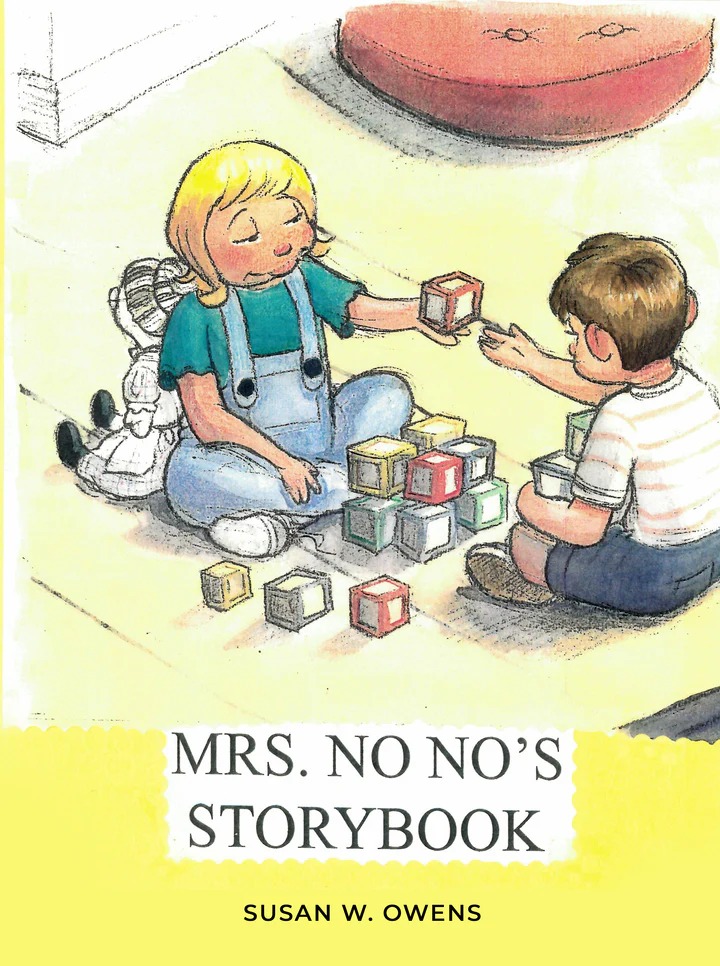
In Mrs. No No’s Storybook by Susan W. Owens, Katy encounters everyday situations that naturally teach respect and responsibility. She is reminded to follow routines. She is guided to treat her brother kindly. She learns to cooperate at school and at home. Each moment is simple, but together they form strong habits and overall good behavior.
The book also includes rhythmic affirmations and classroom guidance that reinforce values like honesty, diligence, cooperation, and self-esteem. These repeated phrases help children remember expectations and apply them independently.
Head to Amazon to purchase your copy: https://www.amazon.com/dp/B0FPPJX6DR.
Helping Children Take Ownership of Their Choices
When children understand why respect and responsibility matter, they are more likely to choose them on their own. Adults can support this by asking short reflective questions, such as “What happened?” “How did that make someone feel?” and “What could you do next time?” However, it is essential to keep these questions brief and allow children to think. Avoid turning reflection into interrogation. Then connect the lesson to real life, such as remembering how Katy chose kindness even when she felt annoyed. And how can your children do the same in a real-life situation?
Respect and responsibility are built through hundreds of small moments. Stories make those moments easier to navigate. They give children a reference point they can return to when emotions rise.
That is why books like Mrs. No No’s Storybook can be more than a story. They can become tools for building the inner guidance children carry with them into friendships, classrooms, and family life.