As parents, we want our children to grow into kind, thoughtful, and responsible people. For many generations, fear has been used as the primary teaching tool. Raised voices, harsh consequences, and shame were seen as necessary to correct behavior. While fear can create immediate obedience, it does not teach understanding. A child who behaves only to avoid punishment learns to hide mistakes rather than reflect on them.
True moral development requires a good comprehension. Children need to understand why a behavior is right or wrong, not just that it leads to consequences. In short, we should not force them to behave well by modeling strict and inappropriate behaviour.
Discipline as Teaching
Discipline comes from the word discipline itself, which means to teach. Teaching requires calm repetition, clarity, and consistency. When adults approach discipline as instruction rather than control, children are more likely to internalize the values being taught.
Fear shuts down learning. When a child feels threatened, their brain shifts into a state of survival mode. Listening decreases. Reflection disappears. Calm guidance, on the other hand, keeps the brain open to learning and growth. A child who feels emotionally safe can pause, think, and try again.
This does not mean there are no rules or consequences. It means consequences are respectful and connected to the behavior. If a toy is thrown, the toy is put away. If someone is hurt, repair is guided. Accountability remains, but shame does not lead the process.
How to Help Children Build an Inner Moral Voice?
Children are not born with a fully developed conscience. It grows over time through experience and guidance. One effective approach is explaining the impact of behavior on others. When children learn about how their actions affect others, they begin to develop empathy and lay the foundation for moral reasoning.
Instead of saying, Stop that right now, an adult might say, Your words hurt your sister and she feels sad. This kind of response teaches children to connect actions with outcomes. Over time, that connection becomes internal. The child starts to pause on their own.
So what should we do instead?
Children learn far more from what they observe than from what they are told. They watch how we handle frustration. They notice how mistakes are repaired. This is why modeling matters so deeply.
Stories add another layer of learning. A story allows a child to observe choices and consequences without being personally corrected. It creates emotional distance while still delivering meaning. Children can explore values safely through characters.
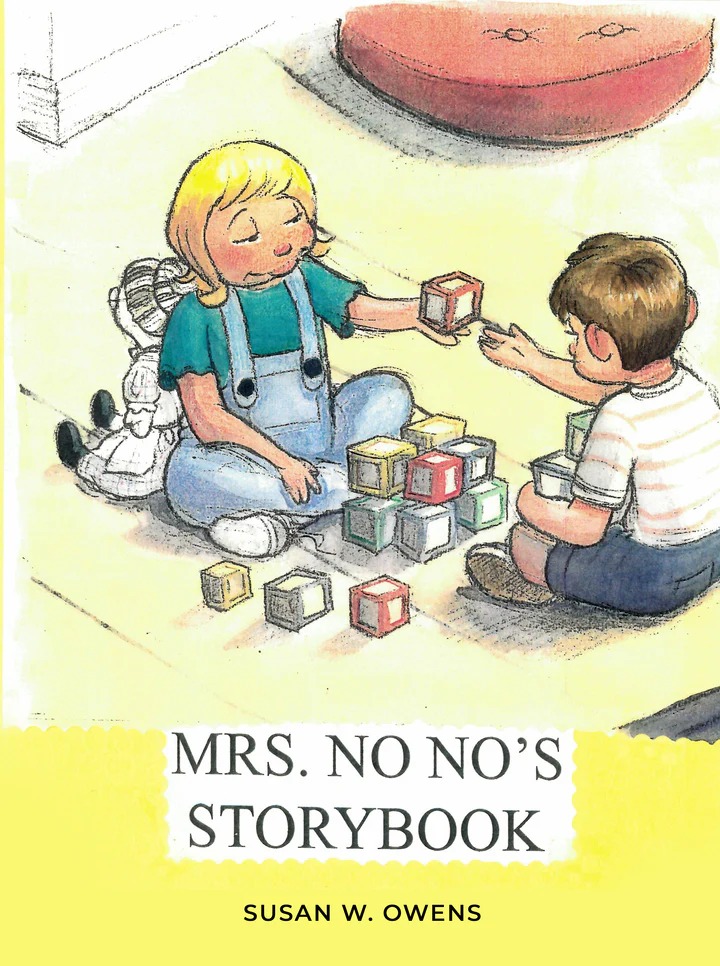
In Mrs. No No’s Storybook by Susan W. Owens, a young girl named Katy receives a doll that quietly reminds her to make better choices throughout the day. The guidance is gentle. The lessons appear during ordinary moments that children recognize. Morning routines. Sibling conflict. School behavior. The doll does not scare or shame. It reminds. Katy responds because she wants to do the right thing, not because she fears punishment.
Head to Amazon to purchase your copy: https://www.amazon.com/dp/B0FPPJX6DR.
Practical Ways to Teach Without Fear
Start with one clear expectation. Keep language simple. Practice the rule when everyone is calm. When the rule is broken, respond consistently and respectfully. Guide repair and then move forward.
Praise effort, not perfection. Children learn best when mistakes are treated as part of growth. Avoid labeling a child as bad. Focus on the behavior instead.
Over time, children begin to self-correct. They learn to listen to that inner voice even when no adult is watching. That is right and wrong that lasts.
Stories like Mrs. No No’s Storybook support this process by giving children a gentle framework they can return to again and again, both at home and in school.