Children remember what they enjoy. This simple truth is why rhythm, repetition, and movement are powerful tools for shaping behavior in early childhood classrooms. When teachers turn important lessons into short raps, children not only listen but also participate with enthusiasm. The raps included in Susan W. Owens’s Mrs. No No’s Storybook provide a practical way to build respect and responsibility through daily routines that feel fun rather than forced.
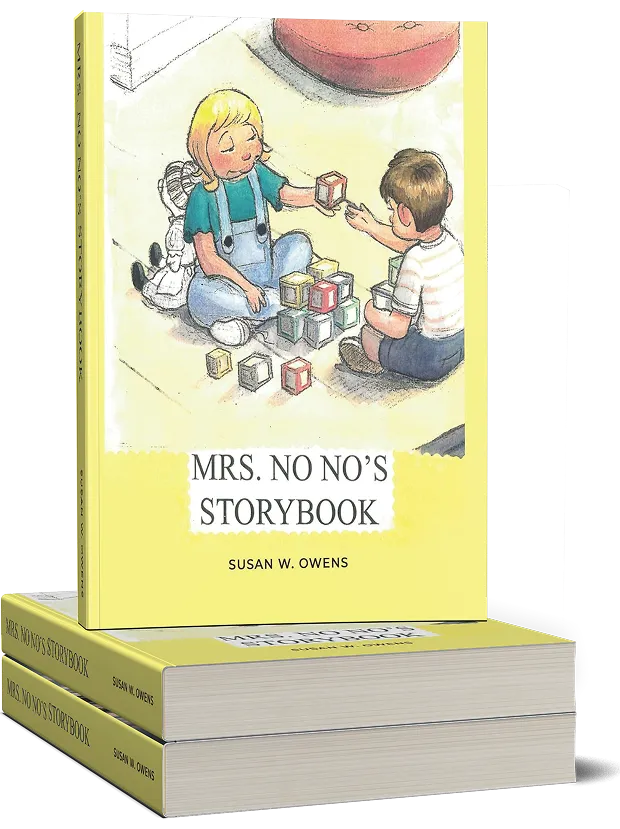
The strength of these raps comes from their simplicity. Each one carries a clear message that children can understand immediately. Instead of long explanations or repeated reminders, the teacher introduces a short set of lines that children say together. Through this shared activity, the classroom begins to develop a positive identity. Children hear what good behavior sounds like, and before long, the words begin to influence their actions.
A strong example is the rap that emphasizes the importance of working hard and learning every day. It sets a tone for effort and focus without any pressure. When used each morning, children start their day with a message that encourages responsibility and purpose. Another rap teaches respect for parents, teachers, and peers. These lines help children understand that respect is not limited to one place or one relationship. It applies everywhere they go, and saying it aloud strengthens that understanding.
Incorporating these raps into daily routines is simple and effective. A teacher might begin the day with one rap, repeat another before lining up, and use a third one after lunch to reset the group’s focus. The rhythm keeps the children engaged while the message stays consistent. The repetition helps the lessons stick, and over time, children start to recite them without prompting.
One of the most meaningful raps is the self-esteem affirmation. With right hand on left shoulder, left hand on right shoulder, and a hug at the end, children say, “I am good, I am very good, and I can do good things.” This moment goes beyond behavior correction. It supports confidence and emotional strength. Many children may not hear words like this outside of school. By incorporating this rap into everyday practice, teachers establish a foundation of self-worth that fosters both respect and responsibility.
Teachers can also use raps in situations where a gentle reminder is needed. After a busy transition or a moment of excitement, a brief group recitation helps bring the class back together. The familiar rhythm and message help calm the room and encourage better choices. This approach maintains a light and encouraging discipline.
The raps support the broader classroom method in Mrs. No No’s Storybook by offering a proactive way to teach values. Instead of waiting for misbehavior, the teacher builds a positive routine that guides children before problems arise. Respect and responsibility become part of the classroom culture, not just rules to follow.
For educators seeking to incorporate structure, joy, and meaningful character lessons into the school day, Mrs. No No’s Storybook offers a practical and engaging approach worth exploring.
Bring rhythm and respect into your classroom. Explore Mrs. No No’s Storybook, available on Amazon: https://www.amazon.com/dp/B0FPPJX6DR.
Discover Mrs. No No’s Message → Share It! https://www.mysuncoast.com/2025/06/25/mrs-no-nos-storybook/